What Can I Expect With a Facelift?

A facelift is one of the most effective cosmetic procedures for restoring a more youthful, refreshed appearance. While it won't stop the aging process, it can address many of the visible signs of aging by tightening underlying tissues, removing excess skin, and restoring smoother facial contours. If you're considering facelift surgery, it's natural to have questions about the procedure, recovery, and results. Understanding what to expect can help you feel more confident as you decide whether a facelift is right for you.
What Is a Facelift?
A facelift, also known as a rhytidectomy, is a surgical procedure that improves visible signs of aging in the lower face and neck. Rather than simply tightening the skin, modern facelift techniques reposition the deeper facial tissues and muscles to create natural-looking, long-lasting results.
A facelift can address:
- Sagging cheeks
- Deep folds around the nose and mouth
- Jowls along the jawline
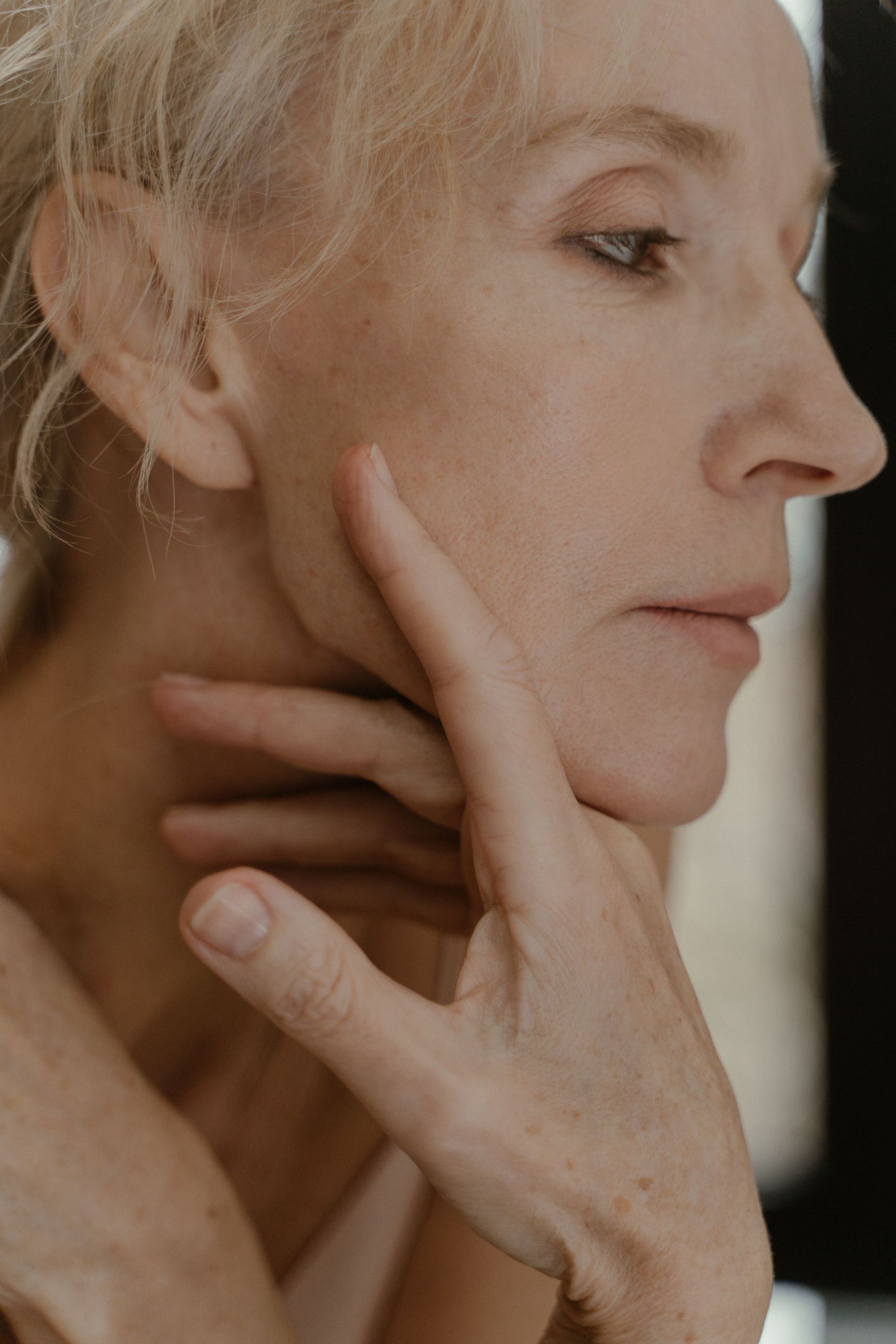
- Loose skin in the lower face
- Excess skin around the neck
- Loss of definition between the jawline and neck
The goal isn't to make you look like a different person. Instead, a facelift helps you look like a younger, more rested version of yourself.
Am I a Good Candidate for a Facelift?
Many people begin considering a facelift when they notice that non-surgical treatments no longer provide the results they want.
You may be a good candidate if you:
- Have moderate to significant facial sagging
- Notice jowls or loose skin around the jawline
- Have deep wrinkles or folds that bother you
- Want longer-lasting results than injectable treatments can provide
- Are in good overall health
- Have realistic expectations about surgery
Age alone doesn't determine whether you're ready for a facelift. Some patients seek treatment in their 40s or 50s, while others choose surgery later in life. Your skin quality, facial anatomy, and cosmetic goals are often more important than your age.
Your Consultation
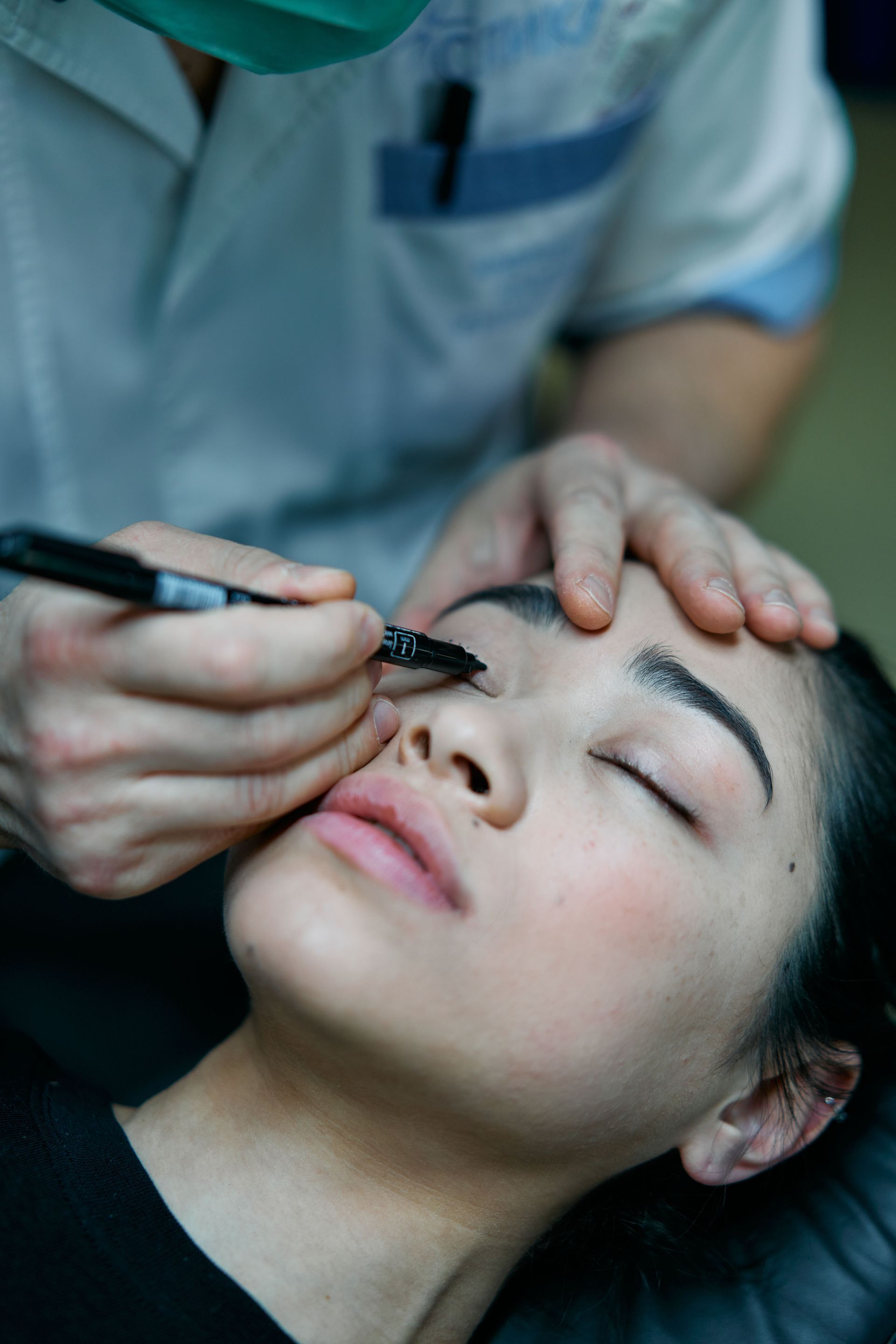
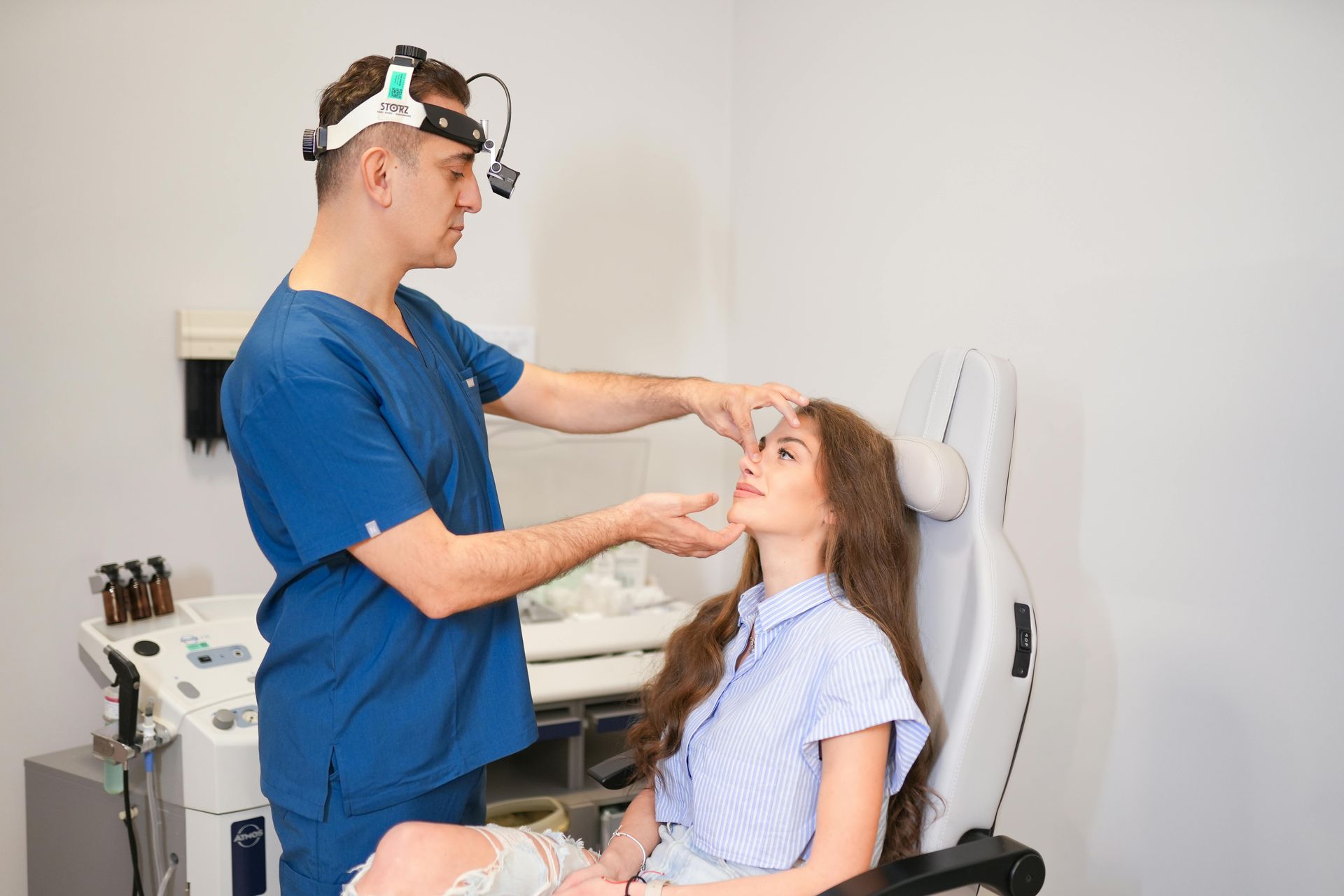
The consultation is one of the most important steps in the facelift process. During your visit, your plastic surgeon will evaluate your facial anatomy, skin elasticity, and overall health. You'll discuss the changes you'd like to make, review your medical history, and learn about the techniques that may be best suited to your needs.
Your surgeon may also recommend combining a facelift with complementary procedures, such as:
- Neck lift
- Eyelid surgery (blepharoplasty)
- Brow lift
- Fat grafting
- Laser skin resurfacing
Combining procedures can often create a more balanced and comprehensive facial rejuvenation.
What Happens During Facelift Surgery?
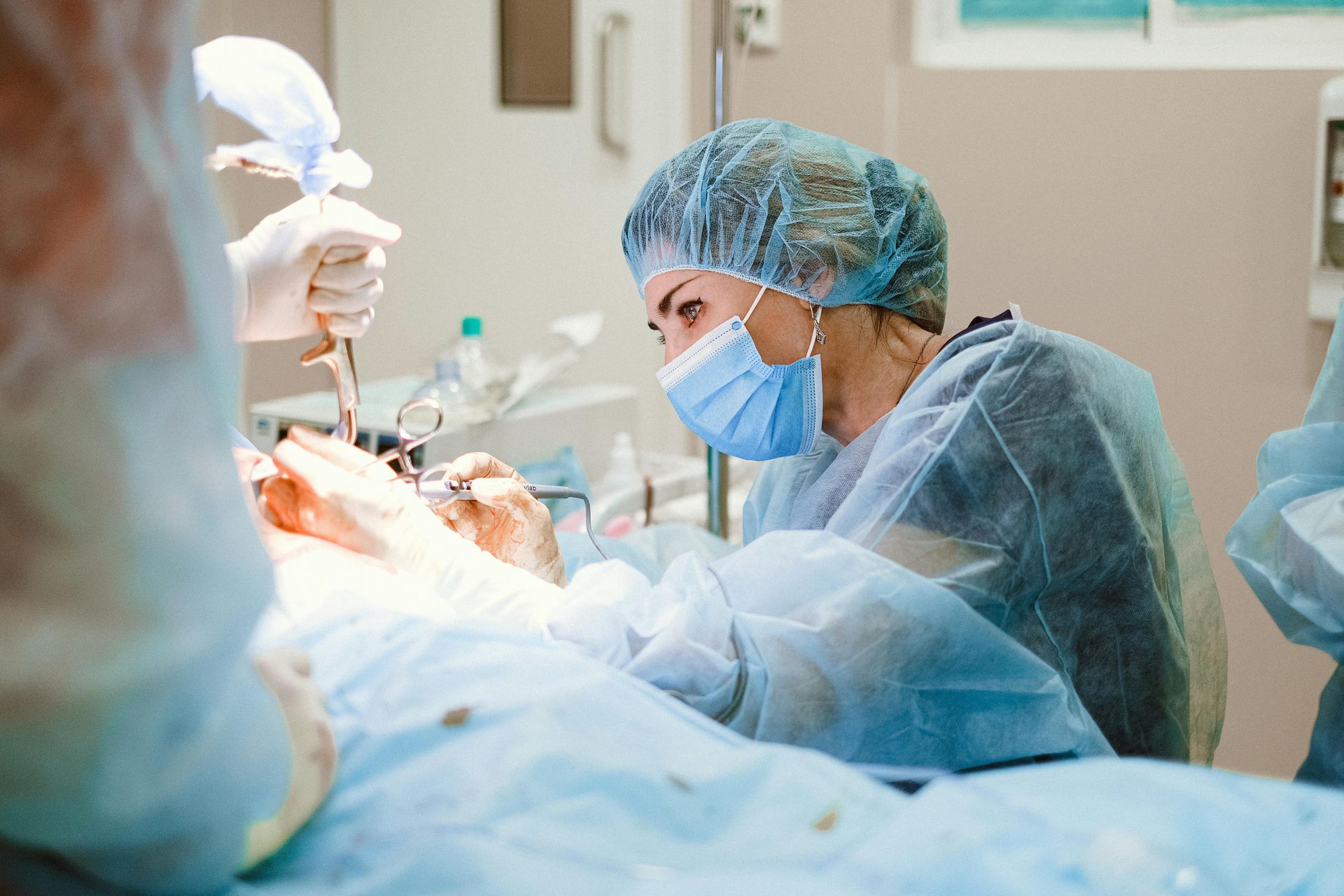
Facelift surgery is typically performed under general anesthesia or intravenous sedation. The exact technique depends on your anatomy and desired outcome, but most facelifts involve carefully placed incisions around the ears and, in some cases, beneath the chin.
During surgery, your surgeon may:
- Lift and reposition deeper facial tissues
- Tighten underlying muscles
- Remove excess skin
- Sculpt the jawline
- Improve neck contours
- Redrape the skin without creating excessive tension
Once the desired improvements have been made, the incisions are carefully closed to minimize visible scarring.
Modern facelift techniques prioritize natural movement and facial expression rather than creating an overly tight or "pulled" appearance.
What Is Recovery Like?
Recovery varies from person to person, but knowing what to expect can make the process easier.
Immediately after surgery, you can expect:
- Swelling
- Bruising
- Mild tightness
- Temporary numbness
- Some discomfort that is typically managed with medication
Your surgeon may place dressings around the face and provide instructions for caring for your incisions.
The First Week
During the first several days, rest is important. Swelling and bruising usually peak within the first few days before gradually improving. Keeping your head elevated and avoiding strenuous activity can help reduce swelling.
Two to Three Weeks
Most patients begin feeling more like themselves within two to three weeks. Bruising has often faded significantly, and many people feel comfortable returning to work or social activities, although some swelling may still be present.
Several Months
Subtle swelling continues to improve over the following weeks and months. As healing progresses, the final contours become more visible and refined. Patience is important, as facelift results develop gradually.
Will My Scars Be Visible?
One of the most common concerns patients have is scarring. Facelift incisions are strategically placed around the ears, within the hairline, and in natural skin creases whenever possible. As the incisions heal, the scars typically become less noticeable over time. Following your surgeon's wound care instructions and protecting the incisions from sun exposure can help support optimal healing.
How Long Do Facelift Results Last?
Although a facelift cannot stop aging, it can turn back the clock by several years.
Results often last 10 years or longer, depending on factors such as:
- Your skin quality
- Genetics
- Lifestyle habits
- Sun exposure
- Smoking
- Weight fluctuations
You will continue to age naturally after surgery, but most patients continue to look younger than they would have without a facelift. Maintaining a healthy lifestyle and following a consistent skincare routine can help prolong your results.
What a Facelift Cannot Do
A facelift is highly effective, but it's important to understand its limitations.
A facelift does not:
- Stop the natural aging process
- Improve skin texture or pigmentation
- Eliminate every wrinkle
- Change your basic facial features
Depending on your concerns, additional treatments such as laser resurfacing, chemical peels, or injectable treatments may help improve skin quality and complement your surgical results.
Setting Realistic Expectations
One of the keys to a successful facelift is having realistic expectations. A facelift is designed to refresh your appearance—not erase every sign of aging or make you look like someone else. The best results are often the ones that look subtle. Friends and family may comment that you look well-rested, healthier, or more vibrant without immediately recognizing that you've had surgery. Choosing an experienced, board-certified plastic surgeon is one of the most important factors in achieving natural-looking results that complement your facial features.
A facelift can be a transformative procedure for patients who want to address sagging skin, jowls, and other visible signs of facial aging. By repositioning underlying tissues and removing excess skin, modern facelift surgery restores youthful contours while preserving your natural appearance. While recovery requires patience, many patients find that the long-lasting improvements in facial definition and confidence make the investment worthwhile.
The best way to learn whether a facelift is right for you is to schedule a consultation with a double board-certified plastic surgeon like Dr. Richard Arabitg of Plastic Surgery Central Florida. During your appointment, you'll receive a personalized evaluation, discuss your goals, and develop a treatment plan designed to help you achieve refreshed, natural-looking results that enhance your unique features. So, why wait! Call us at 407-674-1396 and schedule your consultation today!