Eyelid Surgery: What to Know About Blepharoplasty
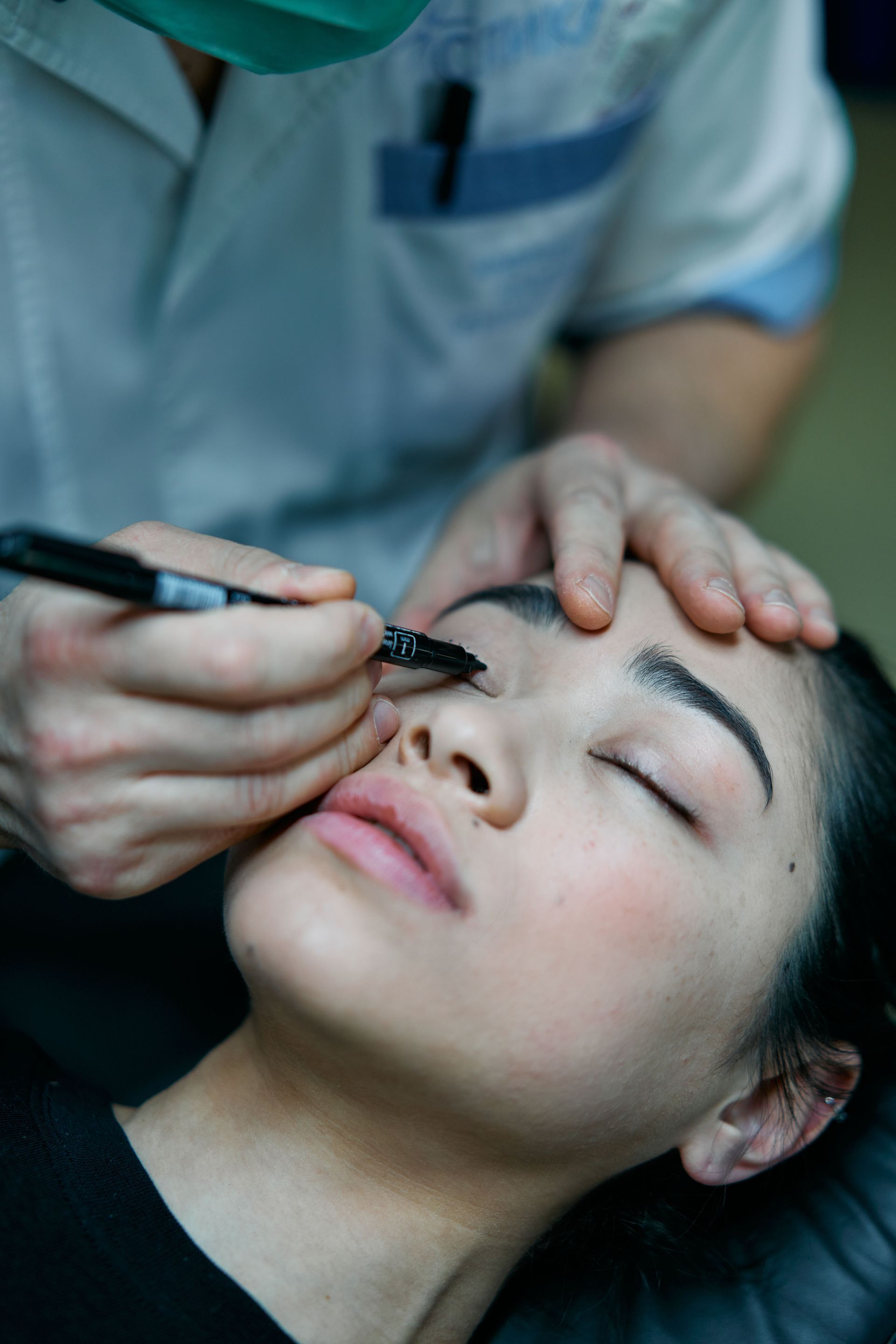
Have you noticed that your eyes look tired, even when you're well-rested? Loose skin, puffiness, and drooping eyelids can develop as we age, sometimes making us appear older or more fatigued than we feel. For some people, excess skin around the eyes can even interfere with their vision.
Eyelid surgery, also known as blepharoplasty, is a cosmetic procedure designed to improve the appearance of the upper eyelids, lower eyelids, or both. Understanding how the procedure works and who may benefit can help you decide whether it's right for you.
What Is Eyelid Surgery?
Blepharoplasty is a surgical procedure that removes or repositions excess skin and, when appropriate, fat around the eyelids. The goal is to create a smoother, more refreshed appearance while preserving the natural shape and function of the eyes. Depending on your concerns, surgery may focus on the upper eyelids, lower eyelids, or both.
Upper Eyelid Surgery - Upper eyelid surgery addresses excess skin and, when needed, underlying tissue that creates a heavy or hooded appearance. Some patients also experience reduced peripheral vision because of significant excess upper eyelid skin. The procedure can create a more open, refreshed appearance and may improve vision when the excess skin is obstructing the visual field.
Lower Eyelid Surgery - Lower eyelid surgery focuses on concerns such as under-eye bags, puffiness, and loose skin. Depending on the patient's anatomy, a surgeon may remove or reposition fat and address excess skin to create a smoother transition between the lower eyelid and cheek.
The appropriate technique depends on your individual concerns and the condition of your eyelid tissues.
Who Is a Good Candidate for Eyelid Surgery?
You may be a candidate for blepharoplasty if you have:
- Drooping or excess skin on your upper eyelids.
- Puffy lower eyelids or persistent under-eye bags.
- Loose skin around your eyes that contributes to a tired appearance.
- Upper eyelid skin that interferes with your peripheral vision.
Good candidates are generally in good overall health, understand the potential risks and benefits, and have realistic expectations about the results. Not every concern around the eyes requires surgery. Dark circles, fine lines, and certain causes of puffiness may be better addressed with nonsurgical treatments. A consultation with a qualified plastic surgeon can help determine which approach is most appropriate.
What Happens During Eyelid Surgery?
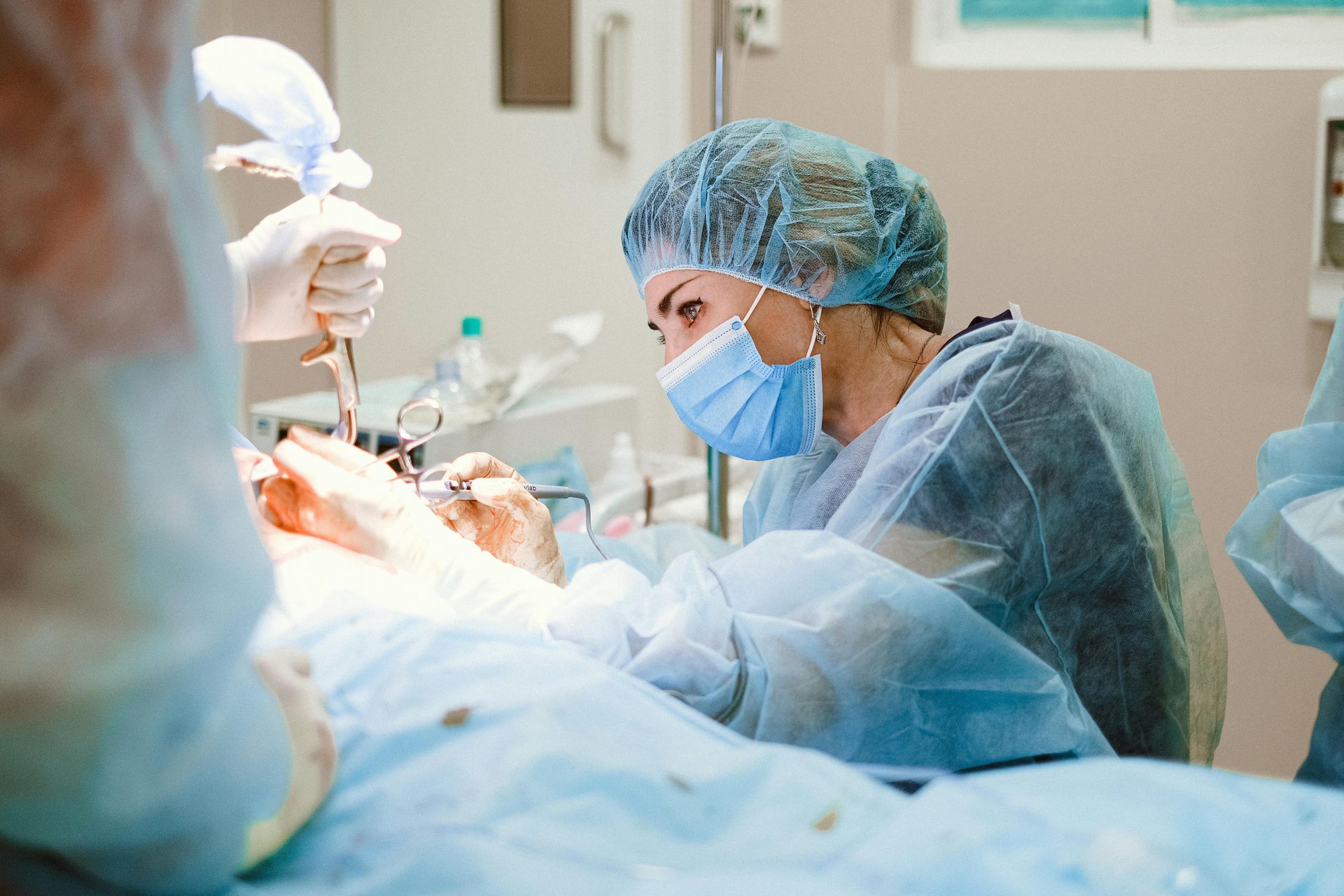
Blepharoplasty is typically performed as an outpatient procedure. Depending on the treatment plan, anesthesia may include local anesthesia with sedation or general anesthesia. For upper eyelid surgery, incisions are usually placed within the natural eyelid crease to help conceal resulting scars. For lower eyelid surgery, incisions may be placed just below the eyelashes or inside the lower eyelid, depending on the technique. The surgeon then removes or repositions tissue as needed before closing any external incisions. The procedure and recovery experience vary depending on whether you're having upper eyelid surgery, lower eyelid surgery, or both.
What Is Recovery Like After Blepharoplasty?
After surgery, you can expect some swelling, bruising, and temporary discomfort around the eyes. These effects generally improve over the first couple of weeks, although complete healing takes longer. Your surgeon may recommend cold compresses, specific eyelid care, activity restrictions, and follow-up appointments to monitor your recovery. You'll need to avoid strenuous activity for the period your surgeon recommends and follow all postoperative instructions carefully. Contact your surgical team promptly if you experience sudden vision changes, severe eye pain, or rapidly increasing swelling. Although initial recovery is often relatively short, your final results may take several weeks or longer to become fully apparent.
What Are the Benefits of Eyelid Surgery?
For appropriately selected patients, eyelid surgery may offer several benefits, including:
- A more rested and refreshed appearance.
- Reduced excess skin and puffiness around the eyes.
- Smoother eyelid contours.
- Improved peripheral vision when excess upper eyelid skin is obstructing it.
Results vary, and blepharoplasty does not stop the natural aging process. Like any surgery, it also carries risks, including bleeding, infection, dry eyes, difficulty closing the eyes, asymmetry, and, rarely, vision-threatening complications. A thorough evaluation helps determine whether the expected benefits outweigh the risks for you.
How Long Do Eyelid Surgery Results Last?
Eyelid surgery can provide long-lasting results, although your face will continue to age naturally. Some patients enjoy the benefits for many years, while changes in skin elasticity and facial tissues may gradually affect the appearance of the eyelids over time. Protecting your skin from excessive sun exposure, maintaining a healthy lifestyle, and following your surgeon's recommendations can help support your overall skin health.
Is Eyelid Surgery Right for You?
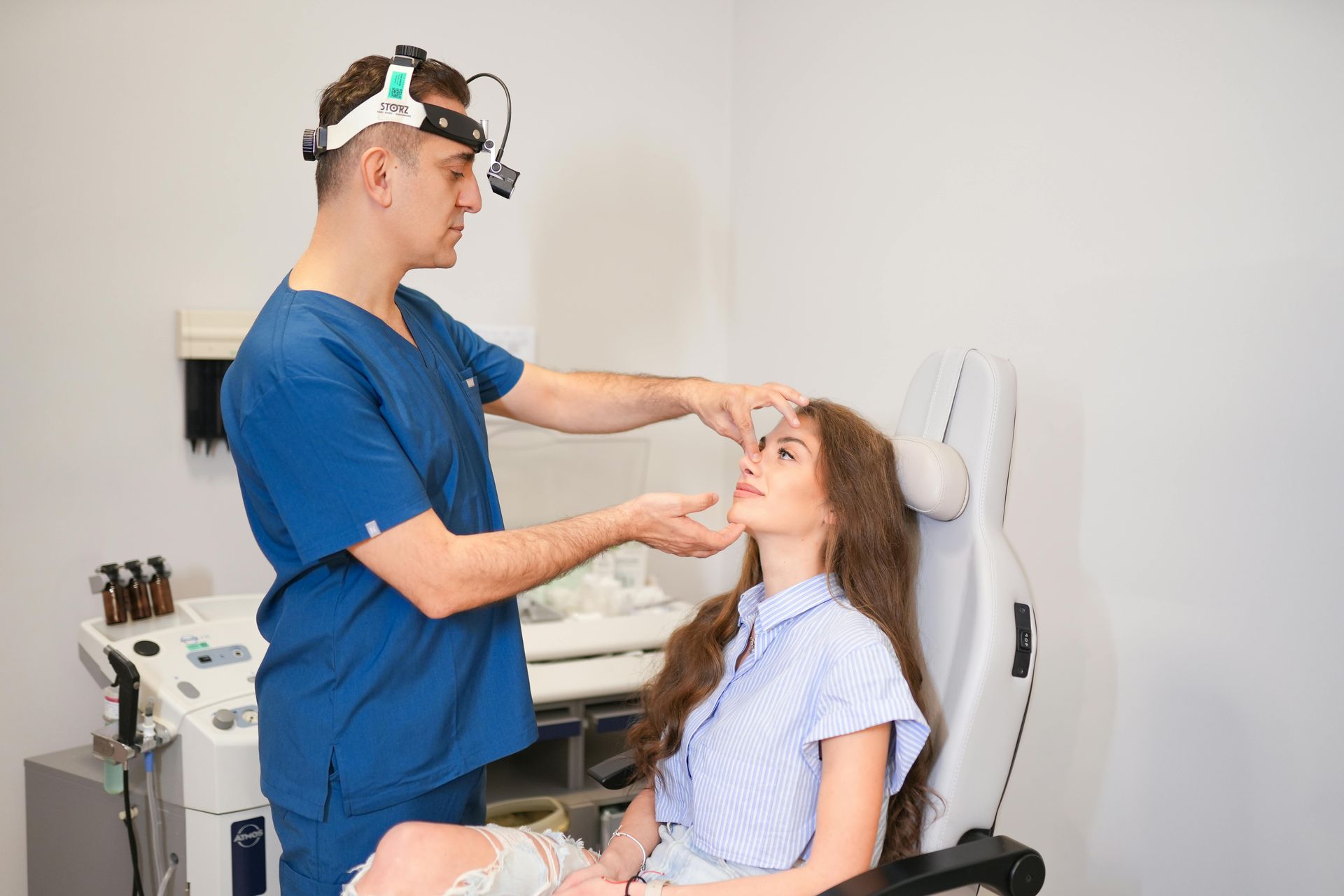
If excess eyelid skin, drooping, or under-eye bags are affecting your appearance or vision, eyelid surgery may be worth exploring. The first step is to schedule a consultation with a qualified plastic surgeon who can assess your eyelids, discuss your goals, and explain the available treatment options.
At Plastic Surgery Central Florida, Dr. Richard Arabitg can evaluate your concerns and help you understand whether eyelid surgery may be an appropriate option for achieving a more refreshed appearance. You don't have to look as tired as you feel. Learning about your options is the first step toward making an informed decision about your eyes and your overall appearance. To learn more about eyelid surgery call us today at 407-674-1396!
Medical disclaimer: This article is for educational purposes only and does not replace individualized medical advice. Consult a qualified medical professional to determine whether eyelid surgery is appropriate for you.