How Do I Know When It’s Time for a Facelift?

Aging is a natural process, but that doesn’t mean you have to simply accept changes that make you feel unlike yourself. As the years go by, you may notice sagging skin, deeper lines, jowls, or changes in the shape of your face. At some point, you may find yourself wondering: “Is it time for a facelift?”
There’s no magic age or single checklist that determines when someone is ready for a facelift. The right time depends on your anatomy, the changes you’re noticing, your goals, and how you feel about your appearance.
Here are some signs that it may be worth having a conversation with a board-certified facial plastic surgeon.
You’re noticing significant skin laxity
One of the most common reasons people consider a facelift is loose or sagging skin along the lower face and neck.
You may notice that your jawline isn't as defined as it once was, or that excess skin has developed beneath your chin. If you find yourself frequently trying to improve these areas with makeup, hairstyles, photographs, or filters, it may be time to explore whether a surgical solution could give you the result you're looking for.
A facelift is designed to address facial laxity and reposition tissues rather than simply adding volume to the face.
Your jowls are becoming more noticeable
Jowling occurs when tissues along the lower cheeks and jawline begin to descend with age. This can soften a previously defined jawline and create a heavier appearance around the lower face.
For some patients, fillers or other nonsurgical treatments may help improve early changes. However, when significant tissue descent and loose skin are present, these treatments may not provide the degree of improvement you're hoping for.
That doesn't automatically mean you need surgery—but it can be a sign that a facelift consultation is worth considering.
Your neck has changed, too
Facial aging doesn't stop at the jawline. You may also notice loose skin under your chin, vertical neck bands, or a less defined transition between your face and neck.
Depending on the cause of these changes, a surgeon may discuss a facelift, neck lift, or a combination of procedures. The goal is generally to create a natural relationship between the lower face and neck rather than treating either area in isolation.
You’re relying increasingly on temporary treatments
Injectables, skincare, lasers, and other nonsurgical treatments can be excellent options for certain signs of aging. But they have limitations.
If you're repeatedly investing in treatments to address sagging skin—and you're still not getting the improvement you want—it may be useful to discuss surgical options.
A facelift isn't necessarily the next step for everyone. Sometimes the better answer is a different nonsurgical treatment, while other patients may benefit from surgery.
You want a refreshed appearance, not a completely different face
One of the biggest misconceptions about facelifts is that they are intended to make you look dramatically different.
Modern facelift techniques generally focus on restoring youthful contours while preserving your individual facial characteristics. The goal isn't to erase every wrinkle or make you look decades younger overnight. Instead, a well-planned procedure should aim to make you look refreshed, rested, and naturally rejuvenated.
Is there a “right” age for a facelift?
Not really.
Many people begin considering a facelift in their 40s, 50s, or 60s, but age alone shouldn't determine whether you're a candidate. Two people of the same age can have very different degrees of skin laxity and tissue descent.
Your surgeon should evaluate your facial structure, skin quality, degree of aging, overall health, and expectations before recommending a procedure.
In other words, the right time is less about your birthday and more about the changes you're seeing and what you want to accomplish.
How do you know if you're actually ready?
A facelift may be worth considering if:
You're bothered by sagging skin or jowls.
Your jawline has become less defined.
You have noticeable changes in your neck.
Nonsurgical treatments aren't providing the improvement you want.
You're in good overall health and understand the recovery involved.
Your expectations are realistic.
You're considering surgery because you want it—not because someone else thinks you should change.
That last point is particularly important. Cosmetic surgery should be a personal decision made for yourself.
The best first step is a consultation
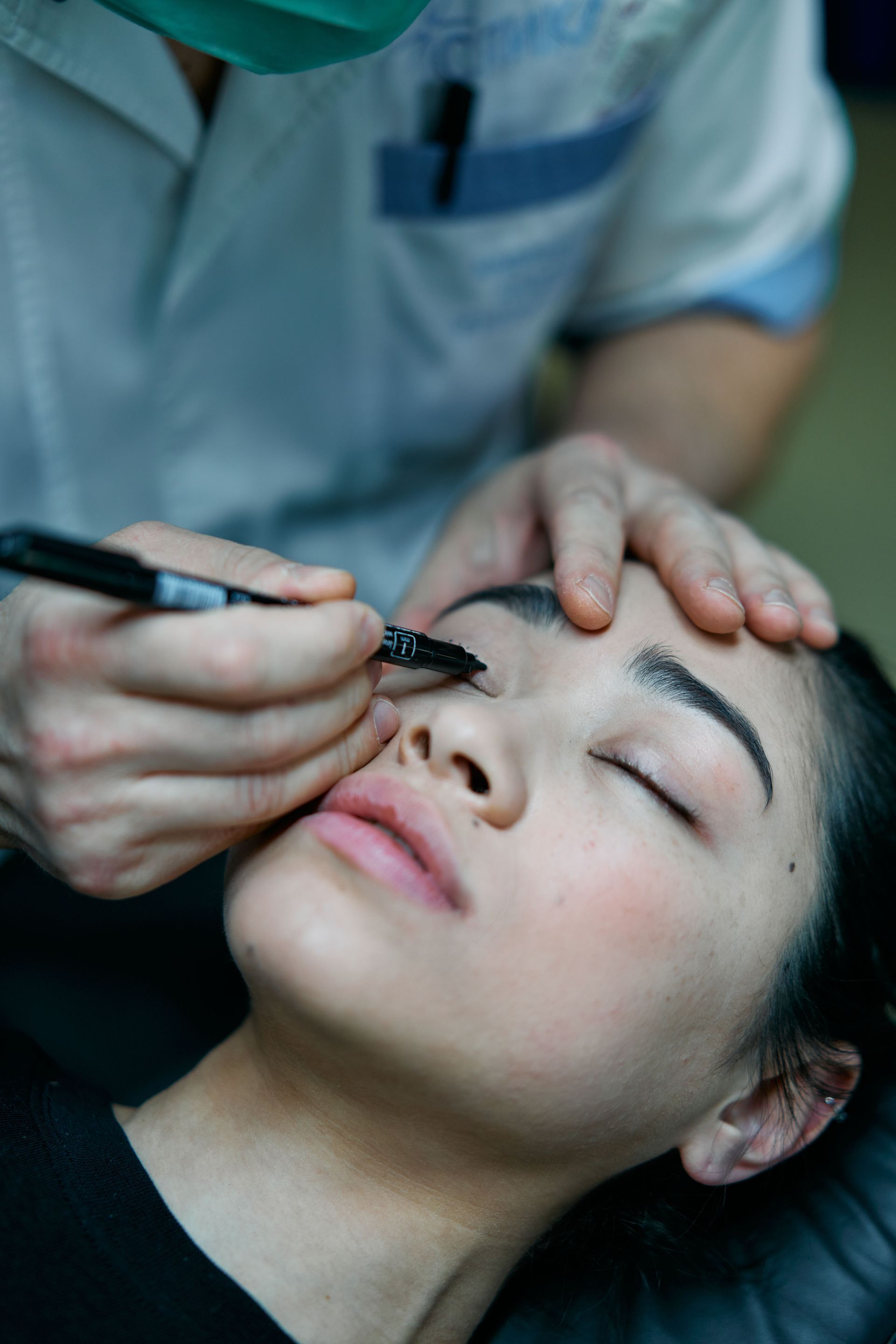
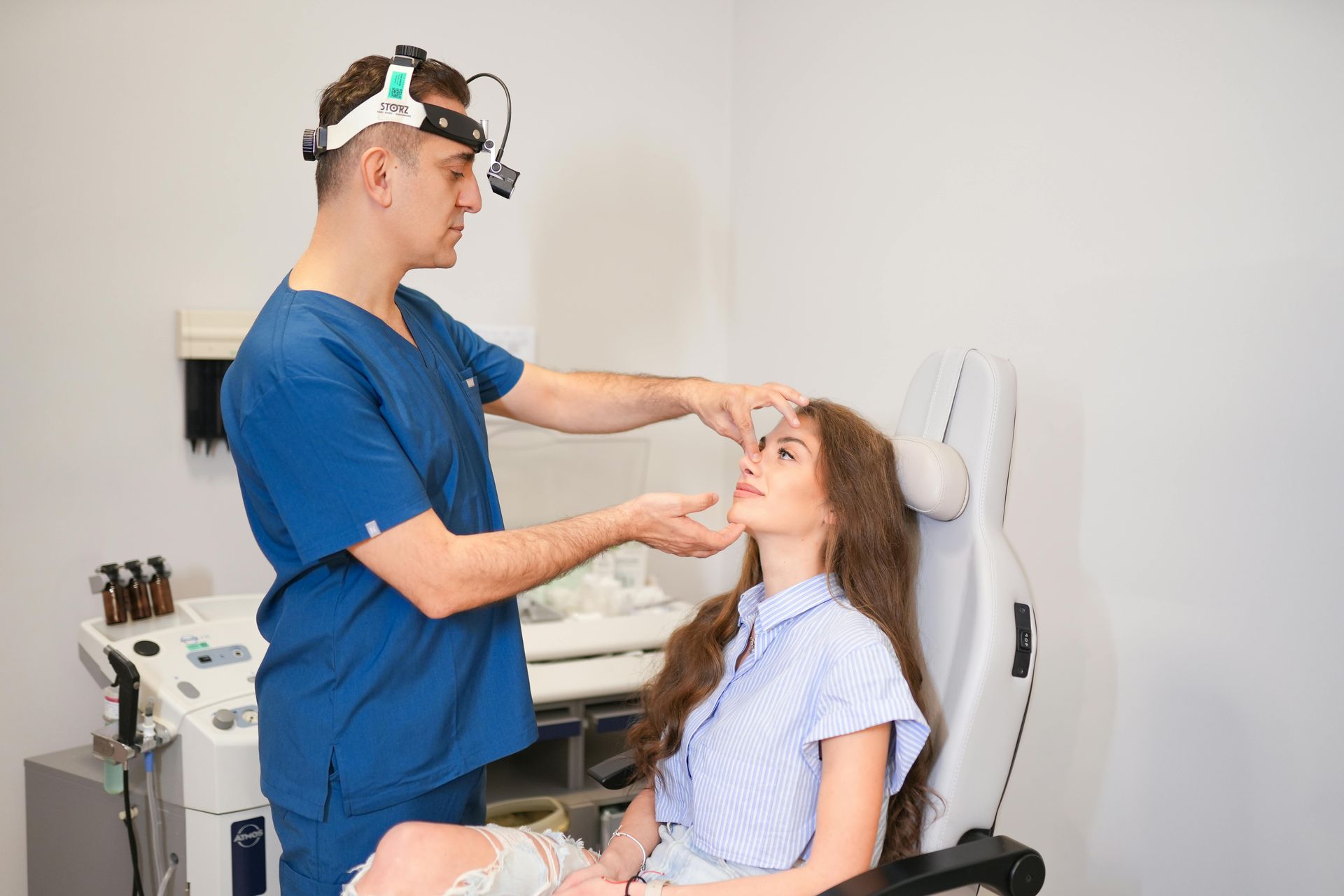
You don't have to decide to have a facelift before making an appointment with a qualified surgeon. A consultation can simply be an opportunity to understand your options.
A board-certified facial plastic or plastic surgeon can evaluate the changes you're noticing and explain whether a facelift makes sense—or whether another approach could achieve your goals with less intervention.
The best treatment isn't necessarily the most aggressive one. It's the treatment that matches your anatomy, your goals, and the degree of change you want.
The bottom line
There isn't a specific age when everyone should get a facelift. Instead, consider a consultation when facial and neck laxity are becoming noticeable and you're no longer satisfied with what nonsurgical treatments can accomplish.
If you're asking yourself, “Is it time for a facelift?”, that's often a good reason to have an honest conversation with a qualified surgeon. You don't have to commit to surgery—you simply need enough information to make an informed decision about what's right for you. So, why wait? Schedule your consultation with Dr. Arabitg at Plastic Surgery Central Florida. He can tailor a procedure to refresh and reverse the clock. Once you come in for a consultation, Dr. Arabitg can determine the best facial procedure for you. Call us at 407-674-1396!