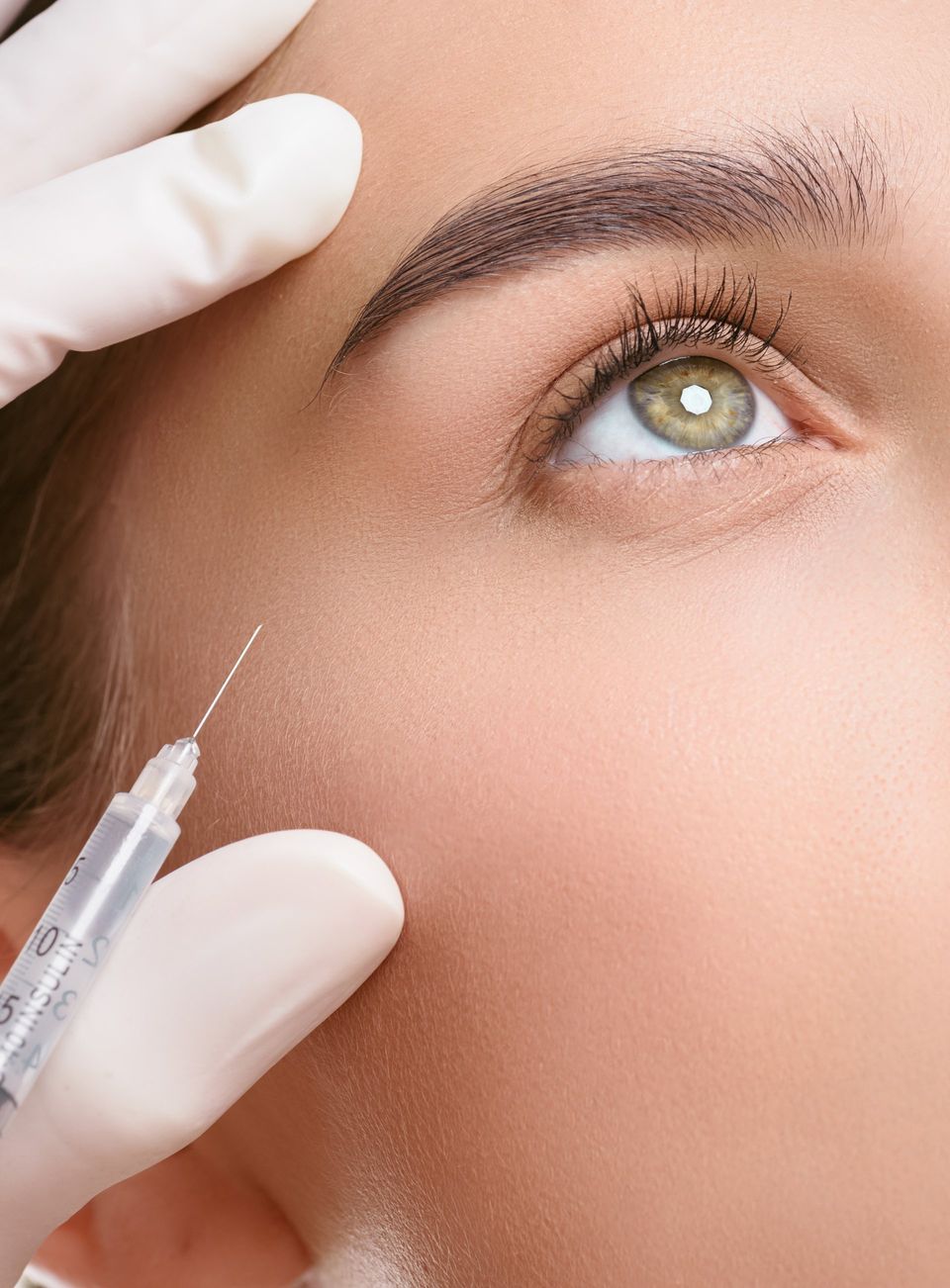
The Benefits of BOTOX
Dr. Richard Arabitg • July 10, 2020
The body content of your post goes here. To edit this text, click on it and delete this default text and start typing your own or paste your own from a different source.
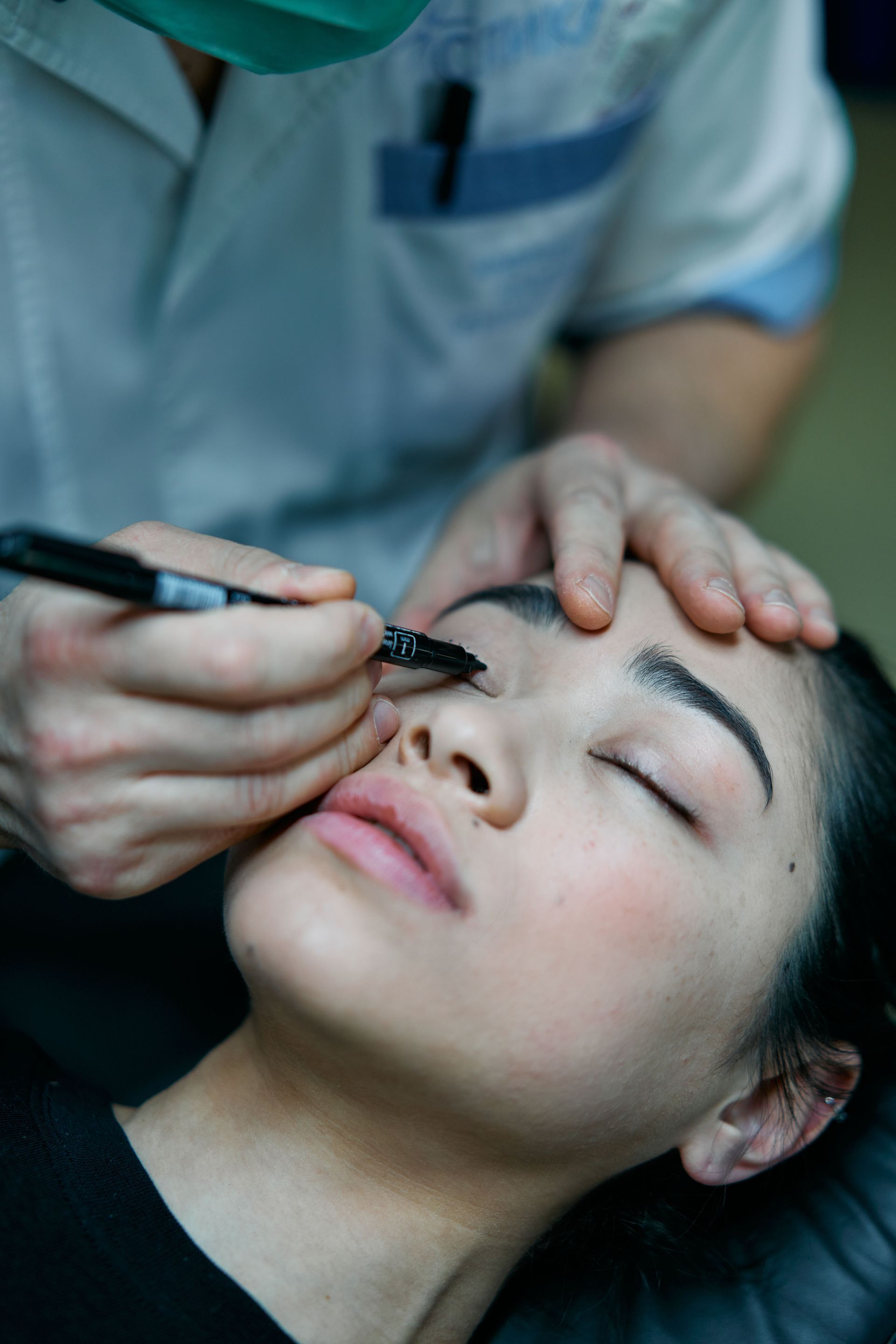
Have you noticed that your eyes look tired, even when you're well-rested? Loose skin, puffiness, and drooping eyelids can develop as we age, sometimes making us appear older or more fatigued than we feel. For some people, excess skin around the eyes can even interfere with their vision. Eyelid surgery, also known as blepharoplasty, is a cosmetic procedure designed to improve the appearance of the upper eyelids, lower eyelids, or both. Understanding how the procedure works and who may benefit can help you decide whether it's right for you. What Is Eyelid Surgery? Blepharoplasty is a surgical procedure that removes or repositions excess skin and, when appropriate, fat around the eyelids. The goal is to create a smoother, more refreshed appearance while preserving the natural shape and function of the eyes. Depending on your concerns, surgery may focus on the upper eyelids, lower eyelids, or both. Upper Eyelid Surgery - Upper eyelid surgery addresses excess skin and, when needed, underlying tissue that creates a heavy or hooded appearance. Some patients also experience reduced peripheral vision because of significant excess upper eyelid skin. The procedure can create a more open, refreshed appearance and may improve vision when the excess skin is obstructing the visual field. Lower Eyelid Surgery - Lower eyelid surgery focuses on concerns such as under-eye bags, puffiness, and loose skin. Depending on the patient's anatomy, a surgeon may remove or reposition fat and address excess skin to create a smoother transition between the lower eyelid and cheek. The appropriate technique depends on your individual concerns and the condition of your eyelid tissues. Who Is a Good Candidate for Eyelid Surgery? You may be a candidate for blepharoplasty if you have: Drooping or excess skin on your upper eyelids. Puffy lower eyelids or persistent under-eye bags. Loose skin around your eyes that contributes to a tired appearance. Upper eyelid skin that interferes with your peripheral vision. Good candidates are generally in good overall health, understand the potential risks and benefits, and have realistic expectations about the results. Not every concern around the eyes requires surgery. Dark circles, fine lines, and certain causes of puffiness may be better addressed with nonsurgical treatments. A consultation with a qualified plastic surgeon can help determine which approach is most appropriate. What Happens During Eyelid Surgery? Blepharoplasty is typically performed as an outpatient procedure. Depending on the treatment plan, anesthesia may include local anesthesia with sedation or general anesthesia. For upper eyelid surgery, incisions are usually placed within the natural eyelid crease to help conceal resulting scars. For lower eyelid surgery, incisions may be placed just below the eyelashes or inside the lower eyelid, depending on the technique. The surgeon then removes or repositions tissue as needed before closing any external incisions. The procedure and recovery experience vary depending on whether you're having upper eyelid surgery, lower eyelid surgery, or both. What Is Recovery Like After Blepharoplasty? After surgery, you can expect some swelling, bruising, and temporary discomfort around the eyes. These effects generally improve over the first couple of weeks, although complete healing takes longer. Your surgeon may recommend cold compresses, specific eyelid care, activity restrictions, and follow-up appointments to monitor your recovery. You'll need to avoid strenuous activity for the period your surgeon recommends and follow all postoperative instructions carefully. Contact your surgical team promptly if you experience sudden vision changes, severe eye pain, or rapidly increasing swelling. Although initial recovery is often relatively short, your final results may take several weeks or longer to become fully apparent. What Are the Benefits of Eyelid Surgery? For appropriately selected patients, eyelid surgery may offer several benefits, including: A more rested and refreshed appearance. Reduced excess skin and puffiness around the eyes. Smoother eyelid contours. Improved peripheral vision when excess upper eyelid skin is obstructing it. Results vary, and blepharoplasty does not stop the natural aging process. Like any surgery, it also carries risks, including bleeding, infection, dry eyes, difficulty closing the eyes, asymmetry, and, rarely, vision-threatening complications. A thorough evaluation helps determine whether the expected benefits outweigh the risks for you. How Long Do Eyelid Surgery Results Last? Eyelid surgery can provide long-lasting results, although your face will continue to age naturally. Some patients enjoy the benefits for many years, while changes in skin elasticity and facial tissues may gradually affect the appearance of the eyelids over time. Protecting your skin from excessive sun exposure, maintaining a healthy lifestyle, and following your surgeon's recommendations can help support your overall skin health. Is Eyelid Surgery Right for You? If excess eyelid skin, drooping, or under-eye bags are affecting your appearance or vision, eyelid surgery may be worth exploring. The first step is to schedule a consultation with a qualified plastic surgeon who can assess your eyelids, discuss your goals, and explain the available treatment options. At Plastic Surgery Central Florida, Dr. Richard Arabitg can evaluate your concerns and help you understand whether eyelid surgery may be an appropriate option for achieving a more refreshed appearance. You don't have to look as tired as you feel. Learning about your options is the first step toward making an informed decision about your eyes and your overall appearance. To learn more about eyelid surgery call us today at 407-674-1396! Medical disclaimer: This article is for educational purposes only and does not replace individualized medical advice. Consult a qualified medical professional to determine whether eyelid surgery is appropriate for you.

Aging is a natural process, but that doesn’t mean you have to simply accept changes that make you feel unlike yourself. As the years go by, you may notice sagging skin, deeper lines, jowls, or changes in the shape of your face. At some point, you may find yourself wondering: “Is it time for a facelift?” There’s no magic age or single checklist that determines when someone is ready for a facelift. The right time depends on your anatomy, the changes you’re noticing, your goals, and how you feel about your appearance. Here are some signs that it may be worth having a conversation with a board-certified facial plastic surgeon. You’re noticing significant skin laxity One of the most common reasons people consider a facelift is loose or sagging skin along the lower face and neck. You may notice that your jawline isn't as defined as it once was, or that excess skin has developed beneath your chin. If you find yourself frequently trying to improve these areas with makeup, hairstyles, photographs, or filters, it may be time to explore whether a surgical solution could give you the result you're looking for. A facelift is designed to address facial laxity and reposition tissues rather than simply adding volume to the face. Your jowls are becoming more noticeable Jowling occurs when tissues along the lower cheeks and jawline begin to descend with age. This can soften a previously defined jawline and create a heavier appearance around the lower face. For some patients, fillers or other nonsurgical treatments may help improve early changes. However, when significant tissue descent and loose skin are present, these treatments may not provide the degree of improvement you're hoping for. That doesn't automatically mean you need surgery—but it can be a sign that a facelift consultation is worth considering. Your neck has changed, too Facial aging doesn't stop at the jawline. You may also notice loose skin under your chin, vertical neck bands, or a less defined transition between your face and neck. Depending on the cause of these changes, a surgeon may discuss a facelift, neck lift, or a combination of procedures. The goal is generally to create a natural relationship between the lower face and neck rather than treating either area in isolation. You’re relying increasingly on temporary treatments Injectables, skincare, lasers, and other nonsurgical treatments can be excellent options for certain signs of aging. But they have limitations. If you're repeatedly investing in treatments to address sagging skin—and you're still not getting the improvement you want—it may be useful to discuss surgical options. A facelift isn't necessarily the next step for everyone. Sometimes the better answer is a different nonsurgical treatment, while other patients may benefit from surgery. You want a refreshed appearance, not a completely different face One of the biggest misconceptions about facelifts is that they are intended to make you look dramatically different. Modern facelift techniques generally focus on restoring youthful contours while preserving your individual facial characteristics. The goal isn't to erase every wrinkle or make you look decades younger overnight. Instead, a well-planned procedure should aim to make you look refreshed, rested, and naturally rejuvenated. Is there a “right” age for a facelift? Not really. Many people begin considering a facelift in their 40s, 50s, or 60s, but age alone shouldn't determine whether you're a candidate. Two people of the same age can have very different degrees of skin laxity and tissue descent. Your surgeon should evaluate your facial structure, skin quality, degree of aging, overall health, and expectations before recommending a procedure. In other words, the right time is less about your birthday and more about the changes you're seeing and what you want to accomplish. How do you know if you're actually ready? A facelift may be worth considering if: You're bothered by sagging skin or jowls. Your jawline has become less defined. You have noticeable changes in your neck. Nonsurgical treatments aren't providing the improvement you want. You're in good overall health and understand the recovery involved. Your expectations are realistic. You're considering surgery because you want it—not because someone else thinks you should change. That last point is particularly important. Cosmetic surgery should be a personal decision made for yourself. The best first step is a consultation You don't have to decide to have a facelift before making an appointment with a qualified surgeon. A consultation can simply be an opportunity to understand your options. A board-certified facial plastic or plastic surgeon can evaluate the changes you're noticing and explain whether a facelift makes sense—or whether another approach could achieve your goals with less intervention. The best treatment isn't necessarily the most aggressive one. It's the treatment that matches your anatomy, your goals, and the degree of change you want. The bottom line There isn't a specific age when everyone should get a facelift. Instead, consider a consultation when facial and neck laxity are becoming noticeable and you're no longer satisfied with what nonsurgical treatments can accomplish. If you're asking yourself, “Is it time for a facelift?”, that's often a good reason to have an honest conversation with a qualified surgeon. You don't have to commit to surgery—you simply need enough information to make an informed decision about what's right for you. So, why wait? Schedule your consultation with Dr. Arabitg at Plastic Surgery Central Florida. He can tailor a procedure to refresh and reverse the clock. Once you come in for a consultation, Dr. Arabitg can determine the best facial procedure for you. Call us at 407-674-1396!

If you've always felt that your breasts are smaller than you'd like, you may have wondered whether you're "too small" to be a candidate for breast augmentation. The short answer is no . In fact, women with naturally small breasts are often excellent candidates for breast implants. Breast augmentation is a highly personalized procedure designed to enhance breast size, improve shape, and create better overall body proportions. Whether you've always had a smaller chest, experienced volume loss after pregnancy or weight loss, or simply want a fuller appearance, your treatment plan can be customized to your unique anatomy and aesthetic goals. Is There a Minimum Breast Size for Implants? There is no minimum breast size required for breast augmentation. Women with very little natural breast tissue can still achieve beautiful, natural-looking results. During your consultation, your plastic surgeon will evaluate your chest width, skin elasticity, existing breast tissue, and body proportions to determine the implant size and profile that will best complement your frame. The goal isn't simply to increase your cup size—it's to create balanced, natural-looking results that fit your body. Will My Results Look Natural? One of the biggest concerns among women with smaller breasts is whether implants will look or feel artificial. Thanks to advances in implant technology and surgical techniques, today's breast augmentation procedures can produce remarkably natural-looking outcomes. Choosing the appropriate implant size, shape, profile, and placement is key. An experienced plastic surgeon will help you select implants that enhance your figure while maintaining harmony with your overall proportions. Factors Your Surgeon Will Consider Every patient is different. Your surgeon will take several factors into account, including: Your height and weight Chest width and rib cage size Amount of existing breast tissue Skin quality and elasticity Lifestyle and activity level Your desired appearance These factors help determine the implant that provides the safest and most aesthetically pleasing result. Can I Still Breastfeed? Many women who undergo breast augmentation are able to breastfeed in the future, although no surgery can guarantee this outcome. If you plan to have children or breastfeed, discuss your goals with your surgeon so they can recommend the most appropriate surgical approach. Is Breast Augmentation Right for You? You may be a good candidate if you: Are in good overall health Have fully developed breasts Feel your breasts are smaller than you'd like Have realistic expectations Want to improve breast symmetry, shape, or fullness The best way to determine whether breast augmentation is right for you is through a consultation with a board-certified plastic surgeon. Confidence Comes in Every Size Being naturally small doesn't mean you're not a candidate for breast implants—it simply means your procedure should be carefully planned to complement your body. Modern breast augmentation focuses on enhancing your natural proportions, not creating an exaggerated appearance. If you've been wondering whether breast implants are right for you, schedule a consultation with Dr. Richard Arabitg, a double board certified plastic surgeon at Plastic Surgery of Central Florida . Together, you can explore your options and create a treatment plan that helps you feel more confident in your appearance. Why wait! Call us today at 407-674-1396 !

A facelift is one of the most effective cosmetic procedures for restoring a more youthful, refreshed appearance. While it won't stop the aging process, it can address many of the visible signs of aging by tightening underlying tissues, removing excess skin, and restoring smoother facial contours. If you're considering facelift surgery, it's natural to have questions about the procedure, recovery, and results. Understanding what to expect can help you feel more confident as you decide whether a facelift is right for you. What Is a Facelift? A facelift, also known as a rhytidectomy, is a surgical procedure that improves visible signs of aging in the lower face and neck. Rather than simply tightening the skin, modern facelift techniques reposition the deeper facial tissues and muscles to create natural-looking, long-lasting results. A facelift can address: Sagging cheeks Deep folds around the nose and mouth Jowls along the jawline Loose skin in the lower face Excess skin around the neck Loss of definition between the jawline and neck The goal isn't to make you look like a different person. Instead, a facelift helps you look like a younger, more rested version of yourself. Am I a Good Candidate for a Facelift? Many people begin considering a facelift when they notice that non-surgical treatments no longer provide the results they want. You may be a good candidate if you: Have moderate to significant facial sagging Notice jowls or loose skin around the jawline Have deep wrinkles or folds that bother you Want longer-lasting results than injectable treatments can provide Are in good overall health Have realistic expectations about surgery Age alone doesn't determine whether you're ready for a facelift. Some patients seek treatment in their 40s or 50s, while others choose surgery later in life. Your skin quality, facial anatomy, and cosmetic goals are often more important than your age. Your Consultation The consultation is one of the most important steps in the facelift process. During your visit, your plastic surgeon will evaluate your facial anatomy, skin elasticity, and overall health. You'll discuss the changes you'd like to make, review your medical history, and learn about the techniques that may be best suited to your needs. Your surgeon may also recommend combining a facelift with complementary procedures, such as: Neck lift Eyelid surgery (blepharoplasty) Brow lift Fat grafting Laser skin resurfacing Combining procedures can often create a more balanced and comprehensive facial rejuvenation. What Happens During Facelift Surgery? Facelift surgery is typically performed under general anesthesia or intravenous sedation. The exact technique depends on your anatomy and desired outcome, but most facelifts involve carefully placed incisions around the ears and, in some cases, beneath the chin. During surgery, your surgeon may: Lift and reposition deeper facial tissues Tighten underlying muscles Remove excess skin Sculpt the jawline Improve neck contours Redrape the skin without creating excessive tension Once the desired improvements have been made, the incisions are carefully closed to minimize visible scarring. Modern facelift techniques prioritize natural movement and facial expression rather than creating an overly tight or "pulled" appearance. What Is Recovery Like? Recovery varies from person to person, but knowing what to expect can make the process easier. Immediately after surgery, you can expect: Swelling Bruising Mild tightness Temporary numbness Some discomfort that is typically managed with medication Your surgeon may place dressings around the face and provide instructions for caring for your incisions. The First Week During the first several days, rest is important. Swelling and bruising usually peak within the first few days before gradually improving. Keeping your head elevated and avoiding strenuous activity can help reduce swelling. Two to Three Weeks Most patients begin feeling more like themselves within two to three weeks. Bruising has often faded significantly, and many people feel comfortable returning to work or social activities, although some swelling may still be present. Several Months Subtle swelling continues to improve over the following weeks and months. As healing progresses, the final contours become more visible and refined. Patience is important, as facelift results develop gradually. Will My Scars Be Visible? One of the most common concerns patients have is scarring. Facelift incisions are strategically placed around the ears, within the hairline, and in natural skin creases whenever possible. As the incisions heal, the scars typically become less noticeable over time. Following your surgeon's wound care instructions and protecting the incisions from sun exposure can help support optimal healing. How Long Do Facelift Results Last? Although a facelift cannot stop aging, it can turn back the clock by several years. Results often last 10 years or longer , depending on factors such as: Your skin quality Genetics Lifestyle habits Sun exposure Smoking Weight fluctuations You will continue to age naturally after surgery, but most patients continue to look younger than they would have without a facelift. Maintaining a healthy lifestyle and following a consistent skincare routine can help prolong your results. What a Facelift Cannot Do A facelift is highly effective, but it's important to understand its limitations. A facelift does not: Stop the natural aging process Improve skin texture or pigmentation Eliminate every wrinkle Change your basic facial features Depending on your concerns, additional treatments such as laser resurfacing, chemical peels, or injectable treatments may help improve skin quality and complement your surgical results. Setting Realistic Expectations One of the keys to a successful facelift is having realistic expectations. A facelift is designed to refresh your appearance—not erase every sign of aging or make you look like someone else. The best results are often the ones that look subtle. Friends and family may comment that you look well-rested, healthier, or more vibrant without immediately recognizing that you've had surgery. Choosing an experienced, board-certified plastic surgeon is one of the most important factors in achieving natural-looking results that complement your facial features. A facelift can be a transformative procedure for patients who want to address sagging skin, jowls, and other visible signs of facial aging. By repositioning underlying tissues and removing excess skin, modern facelift surgery restores youthful contours while preserving your natural appearance. While recovery requires patience, many patients find that the long-lasting improvements in facial definition and confidence make the investment worthwhile. The best way to learn whether a facelift is right for you is to schedule a consultation with a double board-certified plastic surgeon like Dr. Richard Arabitg of Plastic Surgery Central Florida. During your appointment, you'll receive a personalized evaluation, discuss your goals, and develop a treatment plan designed to help you achieve refreshed, natural-looking results that enhance your unique features. So, why wait! Call us at 407-674-1396 and schedule your consultation today!

If you're considering breast enhancement surgery, one of the most common questions you may have is whether you need breast implants, a breast lift, or a combination of both procedures. While both options can improve the appearance of the breasts, they address different concerns and achieve different results. Understanding the purpose of each procedure can help you determine which option may best align with your goals. Understanding the Difference Between Implants and a Breast Lift Although breast implants and breast lifts are often discussed together, they serve distinct purposes. Breast Implants Breast implants are designed to increase breast volume and improve fullness. They can enhance breast size, restore volume lost after pregnancy or weight loss, and create a more balanced breast shape. Breast implants may be a good option if you: Want larger breasts Feel your breasts have lost fullness over time Desire more upper breast fullness Are satisfied with breast position but want additional volume Have naturally small breasts Breast Lift A breast lift, also known as mastopexy, focuses on repositioning and reshaping sagging breasts. The procedure removes excess skin and elevates the breast tissue and nipples to a more youthful position. A breast lift may be appropriate if you: Notice breast sagging or drooping Have nipples that point downward Feel your breasts sit lower on your chest than they once did Experience stretched skin following pregnancy, weight loss, or aging Are happy with your breast size but not their position A lift improves shape and position but does not significantly increase breast volume. Signs You May Need Breast Implants Many women seeking breast enhancement are primarily concerned with volume loss or naturally small breasts. You may be a candidate for implants if: Your Breasts Feel Deflated Pregnancy, breastfeeding, aging, and weight fluctuations can reduce breast volume, leaving the breasts looking less full. You Want a Larger Cup Size If increasing breast size is your primary goal, implants are often the most effective solution. You Want More Upper Pole Fullness Many women desire a fuller appearance in the upper portion of the breasts. Implants can help create this enhanced contour. Your Breasts Are Not Significantly Sagging If breast position remains relatively youthful and the nipples are above the breast crease, implants alone may be sufficient. Signs You May Need a Breast Lift A breast lift addresses breast position rather than size. You may benefit from a lift if: Your Nipples Sit Below the Breast Fold One of the most common indicators of breast sagging is when the nipples fall below the natural crease beneath the breast. Your Breasts Appear Droopy If the breast tissue has descended and lost its youthful shape, a lift can restore a more elevated appearance. Your Breasts Have Lost Shape After Pregnancy or Weight Loss Even when volume remains adequate, stretched skin can create a sagging appearance that implants alone may not correct. You Are Comfortable with Your Current Size If you like your breast size but want improved shape and position, a lift may be all you need. When You May Need Both Implants and a Lift Many women experience both volume loss and sagging. In these cases, combining procedures can provide the most comprehensive improvement. You may benefit from both implants and a lift if: Your breasts have become smaller and droopier after pregnancy You have significant skin laxity and loss of fullness Your nipples sit low on the breast You want larger breasts and a more youthful breast position You desire improved shape, projection, and firmness The combination procedure allows the lift to elevate the breasts while implants restore lost volume and fullness. A Simple Self-Assessment While only a qualified plastic surgeon can provide a definitive recommendation, a simple at-home assessment may offer some insight. Stand in front of a mirror and observe: Where your nipples sit in relation to the breast crease Whether your breasts have lost volume Whether the upper portion of your breasts appears hollow Whether excess skin contributes to a drooping appearance If volume loss is your primary concern, implants may be sufficient. If breast position is the issue, a lift may be more appropriate. If both concerns are present, combining the procedures may provide the best result. Why a Consultation Matters Every woman's anatomy and goals are unique. During a consultation, a board-certified plastic surgeon will evaluate: Breast size and shape Skin elasticity Degree of sagging Nipple position Chest wall dimensions Desired outcome Based on this assessment, they can recommend whether implants, a lift, or both procedures are likely to achieve your goals. Conclusion Choosing between breast implants, a breast lift, or a combination of both depends on what you hope to improve. Implants add volume and fullness, while a breast lift corrects sagging and restores a more youthful position. For women experiencing both volume loss and drooping, combining the procedures often delivers the most balanced and natural-looking results. A personalized consultation with an experienced plastic surgeon is the best way to determine which option aligns with your anatomy, lifestyle, and aesthetic goals, helping you achieve results that look and feel right for you. So, why wait! Schedule your consultation today with Dr. Richard Arabitg at Plastic Surgery Central Florida! Call us at 407-674-1396 !
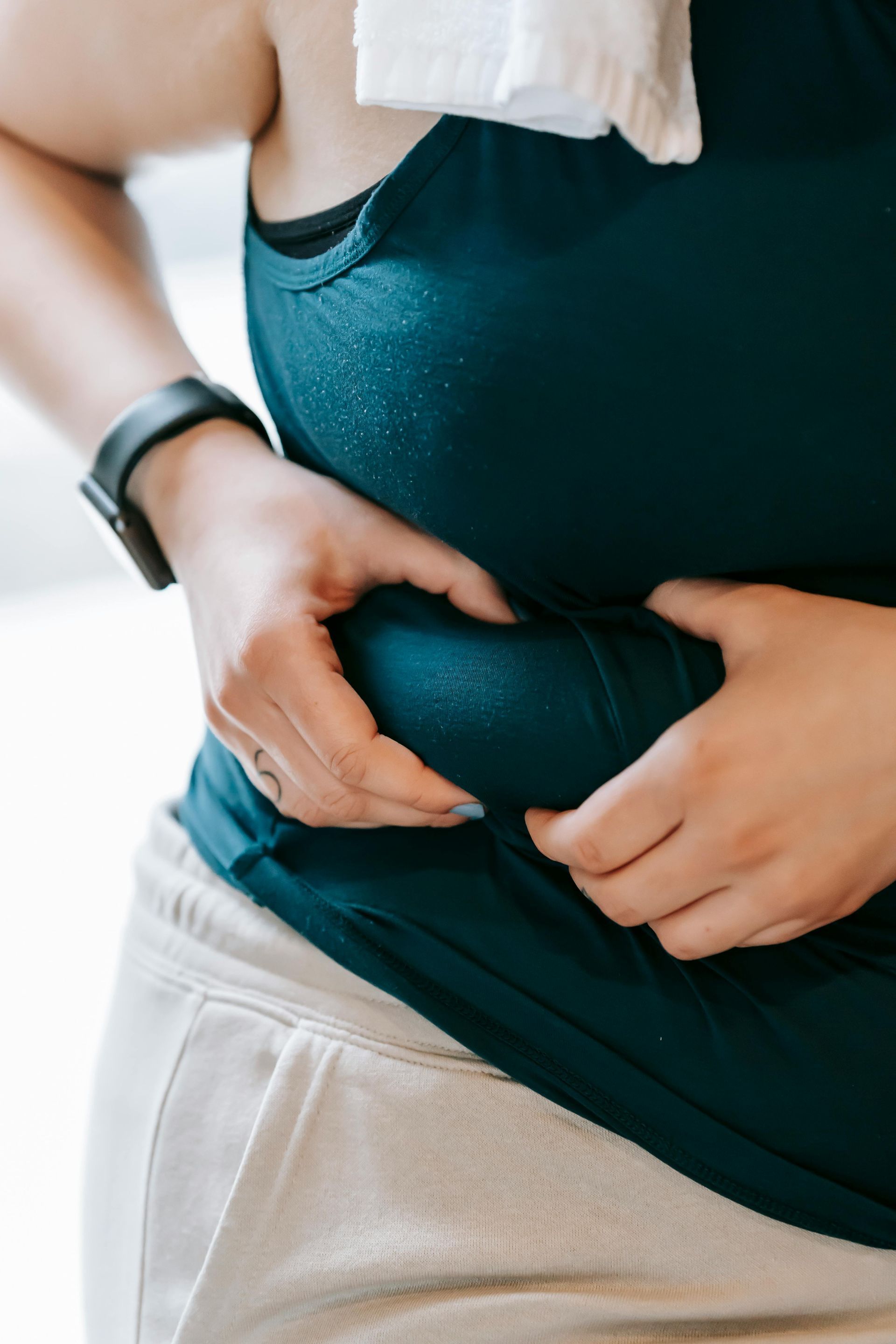
Achieving significant weight loss through gastric bypass surgery is a life-altering accomplishment. It represents months, often years, of dedication to dietary changes, exercise, and health. However, for many patients in Orlando and the surrounding Central Florida areas, reaching their goal weight reveals a new challenge: significant amounts of excess, sagging skin. While the weight is gone, the skin—which has been stretched for a long period—often lacks the elasticity to "snap back" to your new contours. This can lead to physical discomfort, hygiene issues, and a lack of confidence in your new body. Plastic surgery after weight loss, often referred to as post-bariatric body contouring, is the final step in your transformation journey. In this guide, we will explore the various procedures available at Plastic Surgery Central Florida to help you refine your figure and finally enjoy the full results of your hard work. Why Plastic Surgery is Essential After Gastric Bypass Significant weight loss of 50, 100, or even 200 pounds affects the body’s tissues profoundly. Gastric bypass often leads to rapid weight loss, which gives the skin very little time to adjust. The result is "redundant skin" that can hang from the abdomen, arms, thighs, and breasts. Beyond the aesthetic concerns, excess skin can cause: Chafing and Irritation: Skin-on-skin friction often leads to painful rashes and infections (intertrigo). Mobility Issues: Large amounts of hanging skin around the midsection or thighs can make exercising and even walking uncomfortable. Clothing Difficulties: Finding clothes that fit a small frame but accommodate large folds of skin can be frustrating. Psychological Impact: Many patients feel that their "old body" is still hiding their new achievements, preventing them from feeling truly successful in their weight loss journey. Common Procedures for Post-Bariatric Patients Body contouring after weight loss is rarely a "one-size-fits-all" approach. Most patients require a combination of procedures, often staged over several months, to ensure safety and optimal results. 1. Panniculectomy vs. Tummy Tuck (Abdominoplasty) The abdomen is usually the area of greatest concern. Panniculectomy: This is a functional surgery that removes the "pannus" (the apron of hanging skin). It is often focused on medical necessity rather than aesthetic refinement. Tummy Tuck: For a more comprehensive result, a tummy tuck removes excess skin and tightens the underlying abdominal muscles that may have weakened. In post-gastric bypass patients, a **Fleur-de-Lis Abdominoplasty** is often recommended. This technique involves both a horizontal and vertical incision to remove skin from both the width and depth of the torso. 2. Lower Body Lift (Belt Lipectomy) A lower body lift is the "gold standard" for total torso rejuvenation. It involves an incision that circles the entire waistline, allowing the surgeon to lift the buttocks, tighten the outer thighs, and flatten the abdomen simultaneously. 3. Brachioplasty (Arm Lift) "Bat wings" are a common side effect of massive weight loss. An arm lift removes the sagging tissue from the underarm area down to the elbow, creating a more toned and proportional appearance. 4. Thigh Lift (Medial Thighplasty) Excess skin on the inner thighs can make walking painful due to friction. A thigh lift removes this excess tissue, smoothing the legs and improving the patient’s gait and comfort. 5. Breast Lift (Mastopexy) and Augmentation Weight loss often leaves the breasts looking "deflated." A breast lift removes excess skin to reposition the nipple and breast tissue higher on the chest wall. Many patients choose to add an implant during this procedure to restore lost volume. Timing Your Transformation: When are you ready? At Plastic Surgery Central Florida, we prioritize patient safety above all else. For those seeking plastic surgery after a gastric bypass, timing is critical. We generally look for three key criteria: 1. Weight Stability: You should be at a stable weight for at least 6 to 12 months. Fluctuating weight after skin removal can compromise your surgical results. 2. Nutritional Health: Gastric bypass can lead to malabsorption of certain vitamins and proteins. Proper nutrition is essential for wound healing. We often require blood work to ensure your protein and vitamin levels are optimized for surgery. 3. Overall Health Clearance: We work closely with your bariatric surgeon in Orlando to ensure you are healthy enough for general anesthesia and the recovery process. The Recovery Process: What to Expect Body contouring is a significant undertaking. Because post-bariatric patients often undergo multiple procedures, recovery requires patience and a strong support system. During the first few weeks, you will likely wear compression garments to minimize swelling and support your new contours. Drains may be placed to prevent fluid buildup. While you will be encouraged to walk gently soon after surgery to prevent blood clots, vigorous exercise must be avoided for 6 to 8 weeks. Living in Central Florida, we advise our patients to plan their recovery during the cooler months if possible, as the heat and humidity of an Orlando summer can make wearing compression garments and managing incisions more challenging. Why Choose Plastic Surgery Central Florida? Choosing a surgeon for post-weight loss surgery requires finding an expert who understands the unique physiology of a bariatric patient. The skin and tissue quality of someone who has lost 100 pounds is different from a standard tummy tuck patient. At Plastic Surgery Central Florida, we specialize in these complex transformations. We provide a compassionate environment where your goals are heard, and a customized surgical plan is created to help you cross the finish line of your weight loss marathon. Schedule Your Consultation Today Are you ready to see the body you've worked so hard for? If you are in Orlando, Winter Park, or the surrounding Central Florida area, contact us today to schedule your consultation. Let us help you complete your journey. Contact Plastic Surgery Central Florida at https://www.plasticsurgerycentralflorida.com to learn more about our body contouring options or call us at 407-674-1396!
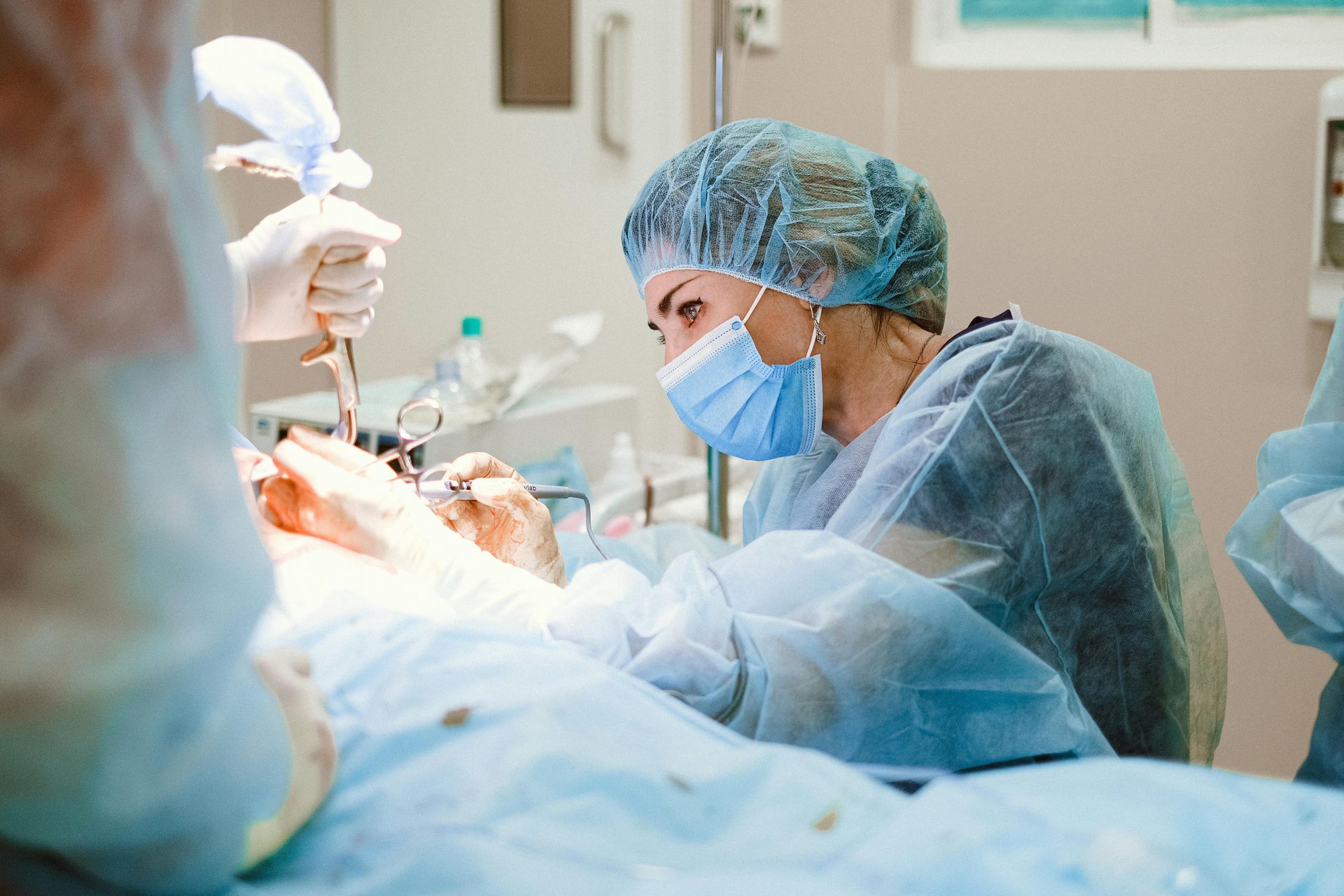
In a world where cosmetic procedures are more accessible than ever, plastic surgery has become a normalized path toward self-confidence and physical transformation. From subtle enhancements to dramatic makeovers, the industry promises life-changing results. But when things go wrong, the consequences can be devastating—physically, emotionally, and financially. Botched plastic surgery is not just a sensational headline or a reality TV trope. It’s a very real issue affecting thousands of people each year. Behind every failed procedure is often a preventable mistake—one that could have been avoided with proper research and due diligence. What Does “Botched” Really Mean? A botched procedure goes beyond minor dissatisfaction. It refers to surgeries that result in significant complications such as infections, nerve damage, asymmetry, disfigurement, or even life-threatening conditions. In some cases, corrective surgeries are required—adding more risk, more cost, and more emotional strain. While every surgery carries inherent risks, a large percentage of botched outcomes are linked to unqualified or inexperienced practitioners. The Rise of Unqualified Providers One of the biggest dangers in today’s cosmetic landscape is the rise of underqualified individuals offering surgical procedures. With the growing demand for aesthetic treatments, some practitioners without proper training or certification are stepping in to capitalize on the trend. Shockingly, not all “cosmetic surgeons” are board-certified plastic surgeons. Some may be licensed in entirely different medical fields—or in rare cases, not adequately trained in surgery at all. This creates a dangerous gap between patient expectations and practitioner expertise. Why Credentials Matter Choosing a qualified surgeon is the single most important decision you can make when considering plastic surgery. Proper credentials ensure that your doctor has undergone rigorous training, adheres to strict safety standards, and is equipped to handle complications if they arise. Here’s what you should always verify: Board Certification: Make sure your surgeon is certified by a recognized medical board in plastic surgery—not just cosmetic procedures. Training and Experience: Look into where they trained and how many times they’ve performed the specific procedure you want. Hospital Privileges: Surgeons with privileges at accredited hospitals have met higher standards of competence and safety. Before-and-After Photos: These give insight into the surgeon’s skill and aesthetic style. Patient Reviews and Testimonials: While not foolproof, they can reveal patterns of satisfaction—or red flags. The Emotional and Financial Toll Botched surgery doesn’t just affect your appearance—it can deeply impact your mental health. Many patients report anxiety, depression, and loss of self-esteem following a bad outcome. Financially, corrective procedures can cost significantly more than the original surgery, and they’re often not covered by insurance. How to Protect Yourself If you’re considering plastic surgery, take these steps seriously: Do thorough research —not just on the procedure, but on the surgeon. Schedule multiple consultations to compare opinions and approaches. Ask questions —and don’t be afraid to walk away if something feels off. Avoid bargains that seem too good to be true —they often are. Trust your instincts —comfort and trust in your surgeon are essential. Final Thoughts Plastic surgery can be a positive, empowering experience when done safely and responsibly. But the stakes are high, and the margin for error is small. Taking shortcuts in your research can lead to consequences that last far longer than the procedure itself. Your body deserves the highest standard of care. Choose wisely, ask questions, and never compromise when it comes to your safety. Taking the appropriate steps to protect yourself improves a patient’s chance of a favorable outcome. At Plastic Surgery Central Florida, Dr. Arabitg, who is double board certified, combines extensive training with experience in both cosmetic and reconstructive procedures, from body contouring to facial surgery. With a strong aesthetic eye, he tailors recommendations to each patient’s needs—focusing only on appropriate treatments and never suggesting more than necessary. So, if this is your first time considering plastic surgery or you need corrective surgery give Dr. Arabitg a call at 407-674-1396 and schedule a consultation today!

For the high-achieving women of Central Florida’s professional landscape, maintaining a refreshed and vital appearance is often viewed as a component of one’s personal brand. Between navigating executive boardrooms in downtown Orlando and attending social engagements in Winter Park, the desire for a look that reflects internal energy and capability is paramount. For many women in their 40s and early 50s, the initial foray into aesthetic maintenance begins with non-surgical "tweakments"—injectables, lasers, and professional-grade skincare. However, there eventually comes a physiological tipping point where the effectiveness of liquid rejuvenation begins to diminish. Understanding the nuanced distinction between facelift vs fillers is essential for any woman looking to make a strategic investment in her appearance. This guide explores the science of facial aging and how to identify the precise moment when surgical intervention offers a superior return on investment compared to non-surgical maintenance. The Limits of Liquid: Why Fillers Aren't a Forever Solution Dermal fillers are extraordinary tools for restoring lost volume in the mid-face, softening nasolabial folds, and enhancing the lips. In the early stages of volume loss, they provide an immediate, "lunchtime" refresh with zero downtime. However, aging is a multi-dimensional process involving three primary factors: Volume Loss: The depletion of deep fat pads. Skin Quality: The thinning of the dermis and loss of elasticity (elastosis). Structural Laxity: The descent of the SMAS (Superficial Musculoaponeurotic System) layer due to gravity. While fillers expertly address the first factor (volume), they are physically incapable of correcting the third (laxity). A common aesthetic pitfall seen in the Orlando market is "filler over-correction." When a patient attempts to use injectables to "lift" sagging skin or a heavy jowl line, the result is often an unnaturally wide or "puffy" appearance. At Plastic Surgery Central Florida, we emphasize that fillers should be used to reinflate, not to reposition. When the primary concern transitions from a loss of "plumpness" to the presence of "sagging," the strategic shift toward surgical options becomes necessary to maintain a natural, sophisticated aesthetic. Deciphering the Anatomy of Aging: The Orlando Lower Facelift As Generation X professionals enter their 50s, the most common area of concern shifts from the eyes and forehead to the lower third of the face and the neck. This is where "gravity-bound" aging becomes most visible, manifesting as: Jowling: The loss of a crisp, defined jawline. Submental Fullness: "Turf" or loose skin under the chin. Deep Marionette Lines: Vertical lines that extend from the corners of the mouth down to the chin. For patients in the Greater Orlando area, the Orlando lower facelift has become a gold-standard procedure for those who require structural correction rather than mere surface-level camouflaging. Unlike the "wind-tunnel" looks of decades past, modern surgical techniques focus on the deep tissue layers. By repositioning the SMAS layer—the foundational "scaffolding" of the face—surgeons can restore the youthful "V-shape" of the jawline without putting tension on the skin. This creates a result that looks inherently natural, allowing the patient to look like a rested, vibrant version of themselves rather than "operated on." Strategic Timelines: When to Make the Move Deciding to move beyond fillers is a strategic decision based on both physiological needs and lifestyle goals. Here are the clinical indicators that it may be time to consider a surgical consultation: The "Finger Lift" Test - If you stand in front of a mirror and find yourself using your fingers to pull the skin toward your ears to achieve the look you want, you are dealing with skin laxity. Fillers cannot move skin in this direction; they can only push it outward. Once there is more than a centimeter of redundant skin, surgery is the only anatomical solution. Diminishing Returns and "Filler Fatigue" - Are you finding that you need more syringes than you used to, or that the results are lasting only a few months instead of a year? As tissues become more lax, the filler has less structural support and may migrate or "settle" more quickly. If your annual spend on injectables is approaching the cost of a long-term surgical procedure, the financial logic tilts toward surgery. The Quality of the Jawline - In the Florida sun, shadows are harsh. If you notice a "softening" of your jawline in photographs or during Zoom calls that fillers no longer sharpen, a lower facelift or neck lift provides the definitive correction that non-surgical energy-based devices (like Ultherapy or Radiofrequency) simply cannot match in terms of longevity. Long-Term Facial Rejuvenation: The ROI of Surgery When evaluating the transition to surgery, many professional women view it through the lens of long-term facial rejuvenation. While a surgical procedure requires a higher upfront investment and a recovery period (typically 10–14 days), the "aesthetic equity" it builds is significant. Longevity: While fillers are temporary (6–18 months), a well-performed facelift typically "resets the clock" by 10 to 15 years. You will always look younger than you would have without the procedure. Simplified Maintenance : Post-surgery, many women find they actually need fewer fillers and toxins. The surgery corrects the architecture, and injectables are then used only for fine-tuning, rather than heavy lifting. Natural Expression : Because the lift is achieved through deep-tissue repositioning, the face moves naturally. You avoid the "over-filled" look that can sometimes occur when trying to hide aging with chemicals alone. Navigating the Professional Recovery For the Orlando executive, downtime is a primary concern. Modern surgical techniques at Plastic Surgery Central Florida are designed to minimize trauma and accelerate healing. Most patients are back to social activities and non-strenuous work within two weeks. Strategically timing a procedure during a slower professional quarter or around a holiday break allows for a discreet transition. When performed correctly, colleagues will often remark that you look "well-rested" or like you've been on a long vacation, rather than identifying that work was done. Actionable Takeaways for the Decision-Making Process If you are currently evaluating your aesthetic roadmap, consider these three steps: Audit Your Injectable History : Review how much filler you have received over the last three years. If the volume is increasing while your satisfaction is decreasing, your anatomy has likely surpassed the capabilities of non-surgical options. Focus on the Foundation : Understand that skin laxity is a structural issue. Just as you wouldn't try to fix a sagging roof with fresh paint, you cannot fix sagging skin with volume alone. Consult with a Board-Certified Specialist : Seek a consultation that focuses on facial harmony. A surgeon who specializes in the "natural look" will be honest about when fillers are serving you and when they are beginning to hinder your aesthetic goals. Your Path to Lasting Confidence At Plastic Surgery Central Florida, we believe that aesthetic intervention should be as sophisticated and strategic as the women we serve. Whether you are maintaining your current look with high-end non-surgical treatments or are ready to explore the transformative benefits of an Orlando lower facelift, our goal is to ensure your results are elegant, timeless, and uniquely yours. The transition from non-surgical to surgical rejuvenation is not a sign of "aging out"—it is a sign of making an informed, high-level decision to preserve your image with the best tools available. Ready to discuss your long-term rejuvenation strategy? Schedule a private consultation at our Orlando office today to receive a personalized facial analysis and discover which path aligns with your professional and personal goals. Stay ahead of the curve with a plan that prioritizes natural results and long-term vitality.
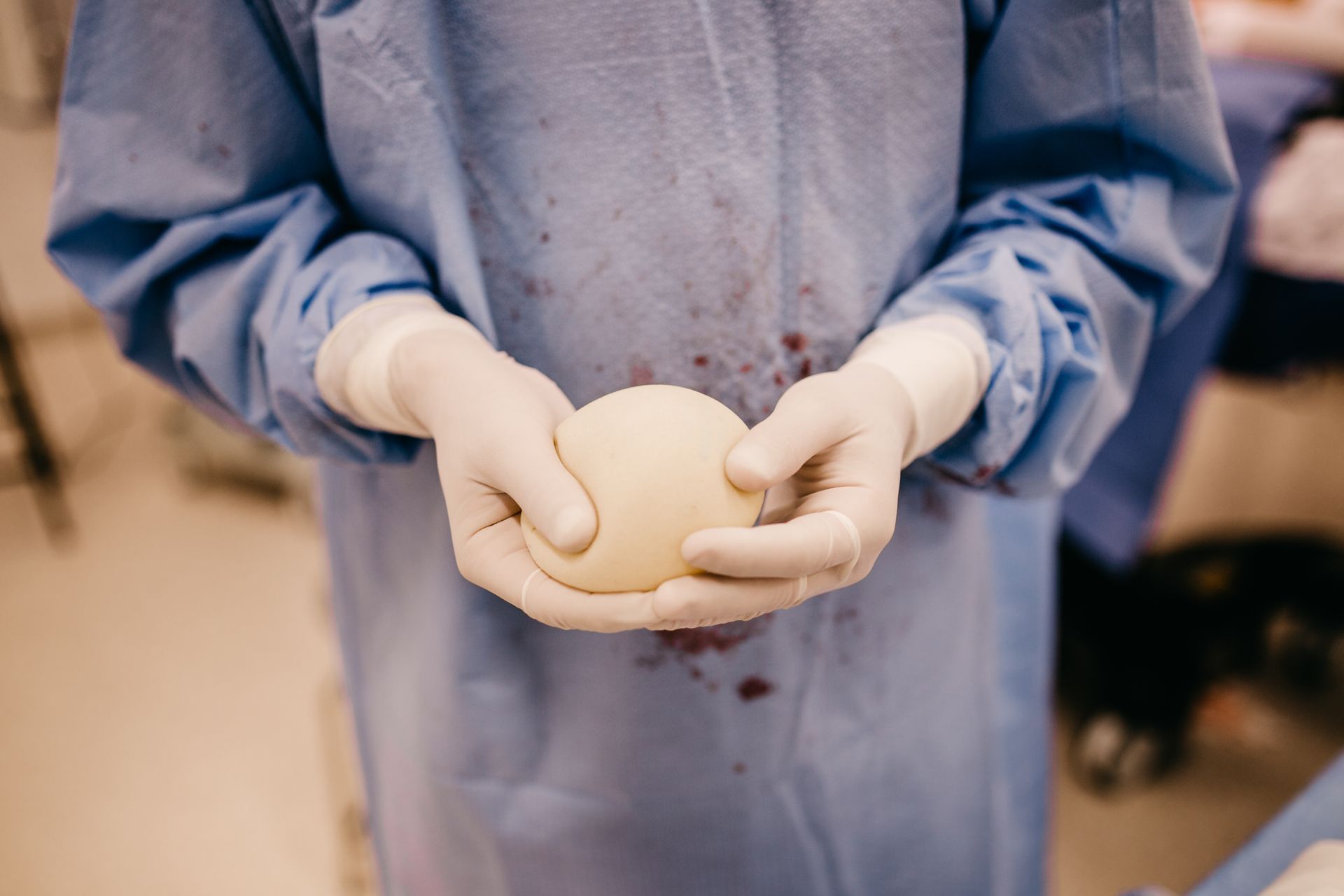
Breast implants are not lifetime devices , but they also don’t need automatic replacement every 10 years (that’s a common myth). Here’s how it really works. How Often Do Breast Implants Need to Be Replaced? Average lifespan: Most implants last 10–20 years . Some last much longer without problems. Others need replacement sooner. You only have to replace them if there’s a problem or you want a change. Reasons Implants Need Replacement Rupture Saline implants → deflate quickly and you’ll notice right away. Silicone implants → can have a “silent rupture” (no obvious symptoms). For silicone, the FDA recommends: MRI or high-resolution ultrasound starting 5–6 years after surgery Then every 2–3 years after that Capsular Contracture This happens when scar tissue tightens around the implant. Signs: Hardness Pain Distortion Breast sitting higher than the other Moderate to severe cases usually require revision surgery. Implant Shifting or Rippling Implants may: Drop too low Shift to the side Ripple visibly (more common with saline or thin tissue) Personal Preference Many women replace implants because: They want a different size They want to remove them entirely They prefer a newer implant type They’ve had them 15–20+ years and want reassurance The “10-Year Rule” Explained Manufacturers say implants are not lifetime devices , and complication risk increases over time. But: There is no automatic expiration date. If you’re symptom-free and imaging is normal, you don’t need replacement “just because it’s been 10 years.” Rough Timeline Expectations 5 years → Most implants are fine 10 years → Some begin needing revision 15 years → Higher chance of rupture or contracture 20+ years → Many patients choose replacement or removal About 20% of patients need some type of revision within 10 years (varies by implant type and individual factors). When You Should See a Surgeon Make an appointment if you notice: Sudden size change Pain or tightness Shape distortion Hardness Swelling years after surgery Even without symptoms, silicone implant patients should follow imaging guidelines. If you feel you may be experiencing problems with your implants or you simply may want another size schedule a consultation with Dr. Richard Arabitg of Plastic Surgery Central Florida. His keen aesthetic eye allows him to identify areas for improvement and recommend the most appropriate treatment. Call us at 407-674-1396 and schedule your consultation today!

A tummy tuck, medically known as abdominoplasty , is one of the most popular cosmetic surgical procedures for people looking to achieve a flatter, more toned abdominal area. Whether after pregnancy, significant weight loss, or aging, many individuals find that diet and exercise alone aren’t enough to address loose skin or weakened abdominal muscles. A tummy tuck can help restore confidence and improve body contours. What Is a Tummy Tuck? A tummy tuck is a surgical procedure designed to remove excess skin and fat from the abdomen and, in many cases, tighten the underlying muscles. The goal is to create a smoother, firmer, and more proportionate midsection. There are several types of tummy tucks, including: Full Tummy Tuck: Addresses the entire abdominal area, from the ribcage to the pubic region, and often includes muscle repair. Mini Tummy Tuck: Focuses on the lower abdomen below the belly button and is less invasive. Extended Tummy Tuck: Includes the flanks or sides of the waist, often chosen after massive weight loss. Who Is a Good Candidate? Ideal candidates for a tummy tuck are generally healthy adults who: Have excess abdominal skin or fat Experience muscle separation (diastasis recti) Maintain a stable weight Do not plan future pregnancies Have realistic expectations about results and scarring A tummy tuck is not a weight-loss procedure, but rather a body-contouring surgery. The Benefits of a Tummy Tuck Many patients choose a tummy tuck for both aesthetic and functional reasons. Benefits may include: A flatter, firmer abdomen Improved posture due to tightened core muscles Enhanced body confidence Better fit in clothing Removal of stretched or damaged skin For some individuals, the procedure can also reduce skin irritation caused by excess folds. Recovery and Results Recovery time varies depending on the type of tummy tuck performed. Most patients can expect: Initial swelling and discomfort for a few weeks Limited activity for 4–6 weeks Gradual improvement as swelling subsides While scars are permanent, they typically fade over time and are placed low enough to be concealed by clothing or swimwear. Things to Consider As with any surgery, a tummy tuck carries risks such as infection, scarring, or complications related to anesthesia. Choosing a board-certified plastic surgeon and following pre- and post-operative instructions carefully are key to achieving safe and satisfying results. Final Thoughts A tummy tuck can be a life-changing procedure for those struggling with loose abdominal skin or weakened muscles. By understanding the process, benefits, and recovery involved, individuals can make informed decisions and set realistic expectations. If you’re considering a tummy tuck, a professional consultation is the best next step Call Plastic Surgery Central Florida at 407-674-1396 to determine whether a tummy tuck aligns with your goals .